August – The Hawthorne Tree

简体中文

I am delighted to receive Joshua’s story on a Hawthorne tree for the August tree story . 

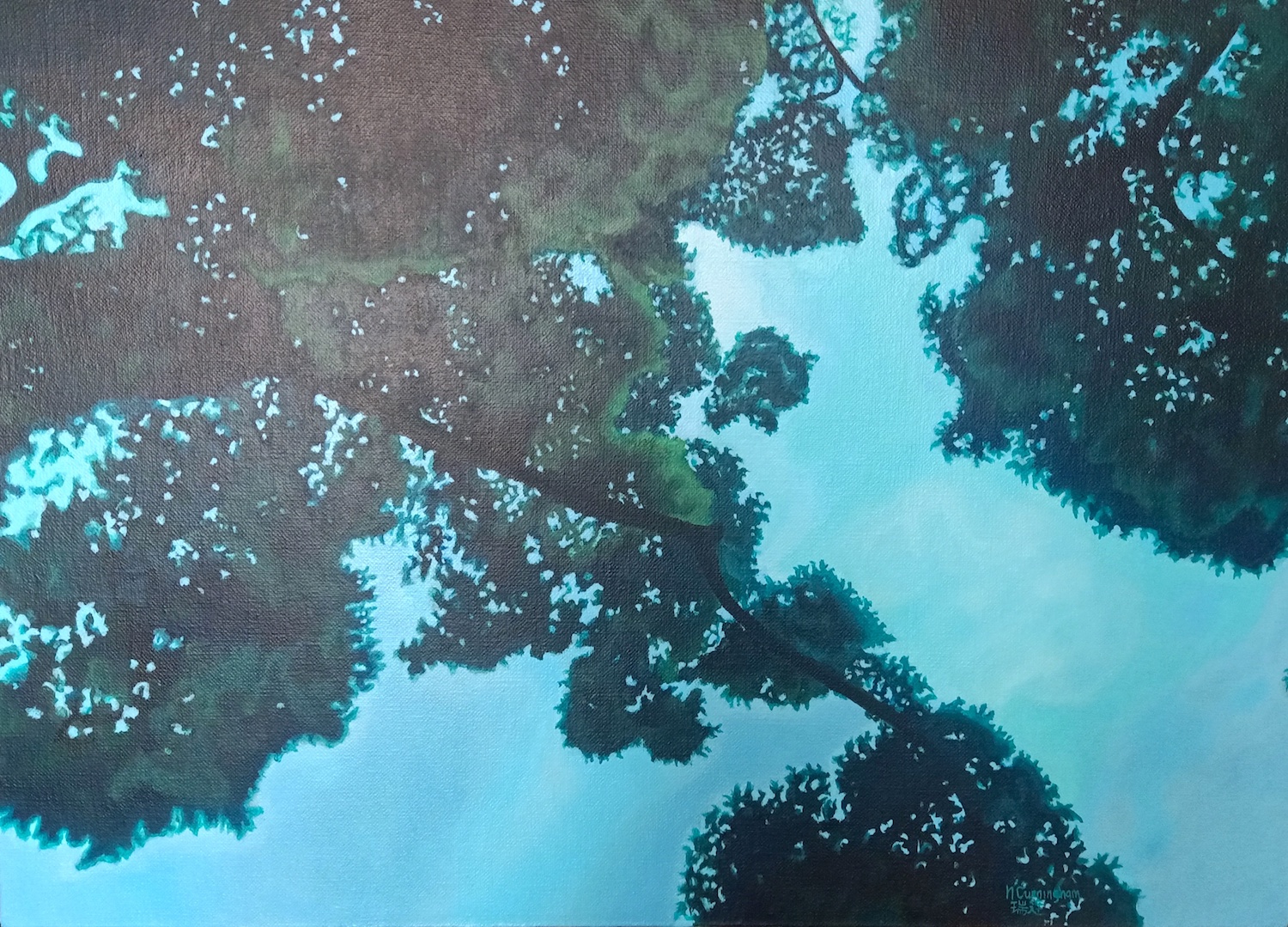
Piyo’s view  acrylic on canvas 50 x 60 cm


A seven year-old named White Horse once found a tree painted on smooth stone by a cave on a mountain called Rooster Crown in Changping. Urban legend claims that a hundred years ago Taoists attained immortality up there. White Horse used this round boon for a special gravestone .


Our dog had died and we planted her beneath the Hawthorne tree in our courtyard. She was a tri-coloured collie abandoned by her owner in an empty yard next to ours. One day I got locked out, scaled the red brick wall through vines of ivy and there she was laying among rubbish, sheepishly peering up at me.


I took her in and our luck increased. Maybe. At least that’s what our Lithuanian friend said. She said that Laima ,a Baltic goddess of fate, bestows good luck to people  who take in stray-dogs. White Horse wanted to name our new dog Pirate or Yoghurt soon settling on both – Piyo. Piyo was clearly already old and one day I left chocolate bonbons out. She ate them and died.


The Chinese grandma in our family questioned whether or not it was ok to bury Piyo in our courtyard like that right beneath this Hawthorne tree. Maybe grandma was just being a proper, superstitious Maoist, but I didn’t know and superstitions do cling to location. So to be safe I turned one of my monk shawls into a dog shroud thinking that’d make everything holy.


Last Autumn the mother of White Horse brought a woven platter full of Hawthorns from our tree to her father in Tonghzhou. He was an old-Beijinger and mashed the fruits into jam which we spread on toasted slices of imported bread. About a half-year later (early spring 2020) this elderly gentleman (key family member) had passed away too. Not from the virus though as timing might suggest.


The funeral took place a day after heavy restrictions on gathering were lifted. We first gathered at the crematorium and then the family graveyard at the centre of Songzhuang art district. This Chinese funeral was amazing.  Both the unabashed wailing of his childhood friend over open casket and steel-like delivery of the officiant pressed my curiosity as a WASP from New England. Those of us with Puritan roots are accustomed to not showing our emotions and at having someone who admires God to lead our significant ceremonies in life and death. I was given the honour of carrying the portrait of White Horse’s grandfather while his daughter held his urn.


Not long afterwards it was first-half of May and the Hawthorne tree in our yard was bowing under rich weight of puffy, nectar-soaked blossoms. They proved themselves gloriously white and worth getting licked by pollen buzzing bees. These Hawthorn flowers screamed out to the surrounding landscape, “Remember me because of how utterly bright I am. And this will help you understand that later in the year when I grow fruits, when I offer life, you can return to me and get nourishment.”


The Hawthorne is shady refuge for the departed lady of luck Piyo. It is splashing energy through wicked springtime colour. It is fuel for honey. Our tree gives tart, tangy fruit-taste that has a mild sweetness. Medically it is known as a remedy for heart failure. If only I had been more sensitive to this essential detail sooner, I might have been able to support my best friend a bit better who died of a heart attack in December. This tree serves perfectly for the wheel of life. Its generous limbs circling about, the lilting gaze of the tree soaks through my heart. As for a hermit what could be better source for the fruits of beauty and truth than a magnificent Hawthorne. Stable, steady and pure. Resting outside my window we follow the changing seasons of luck.


Joshua is a painter and aspiring writer living in Shangyuan art village on the outskirts of Peking.

Link on the author 


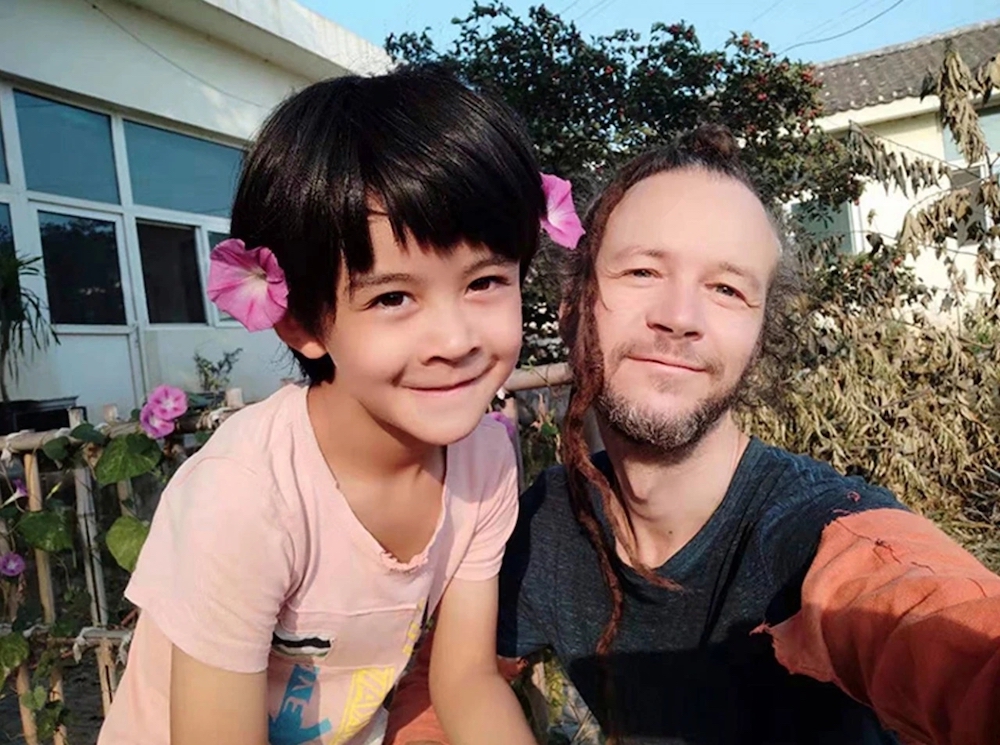
White Horse and Joshua with the Hawthorne tree in the background

* * * * * * *

Memory Palace of Trees 2020 is an ecological art practice which invites your participation to tell a story (or give some kind of information) about trees. It is a social enquiry of how to live better with the planet and with people by simply sharing stories. You are cordially invited to tell me your story of a tree or trees. (email : niamh@niamhcunningham.com) I would love to hear from you. Throughout 2020 a story will be posted with either an artwork already made or perhaps your story will inspire me to make a new work!


Sucrose Series -currently showing at Wuxi Bund Art Centre

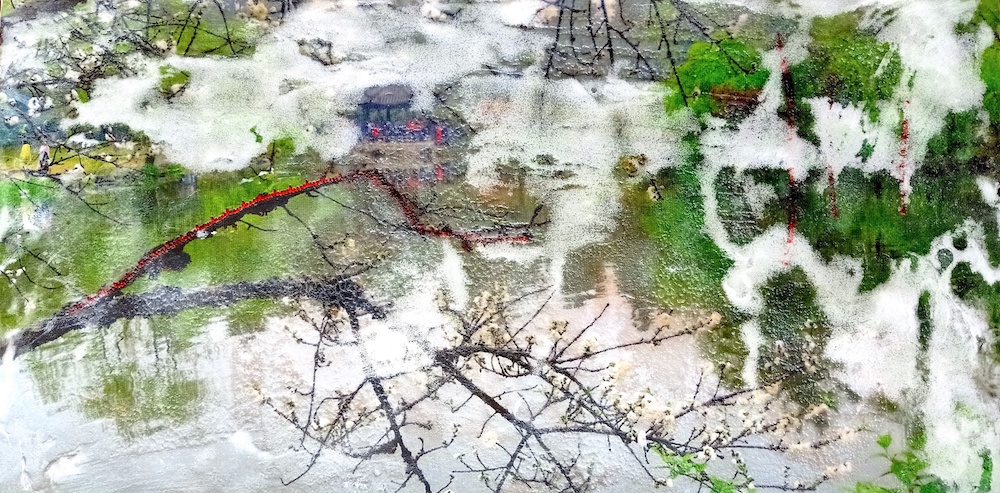
Pond Poplars   池边白杨11.02.20 sucrose series Niamh Cunningham 2020

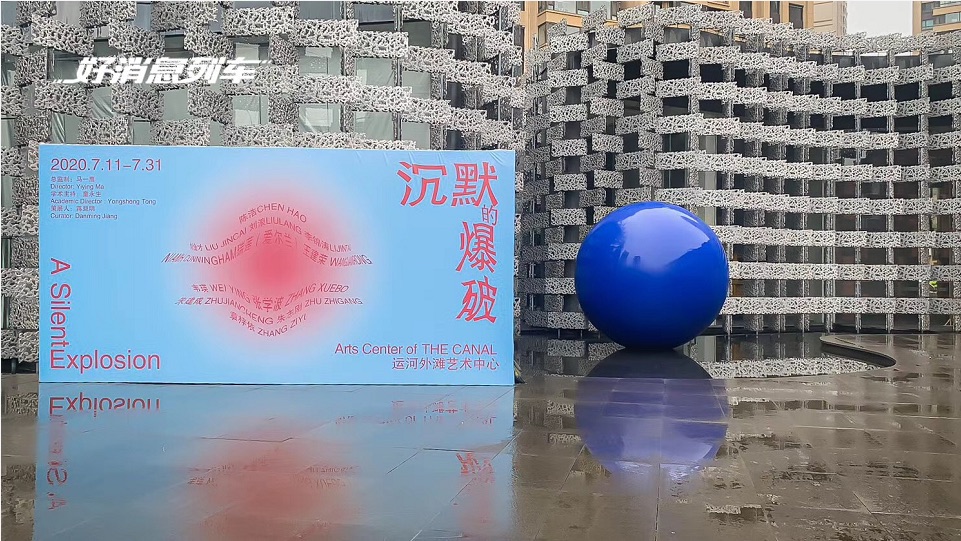
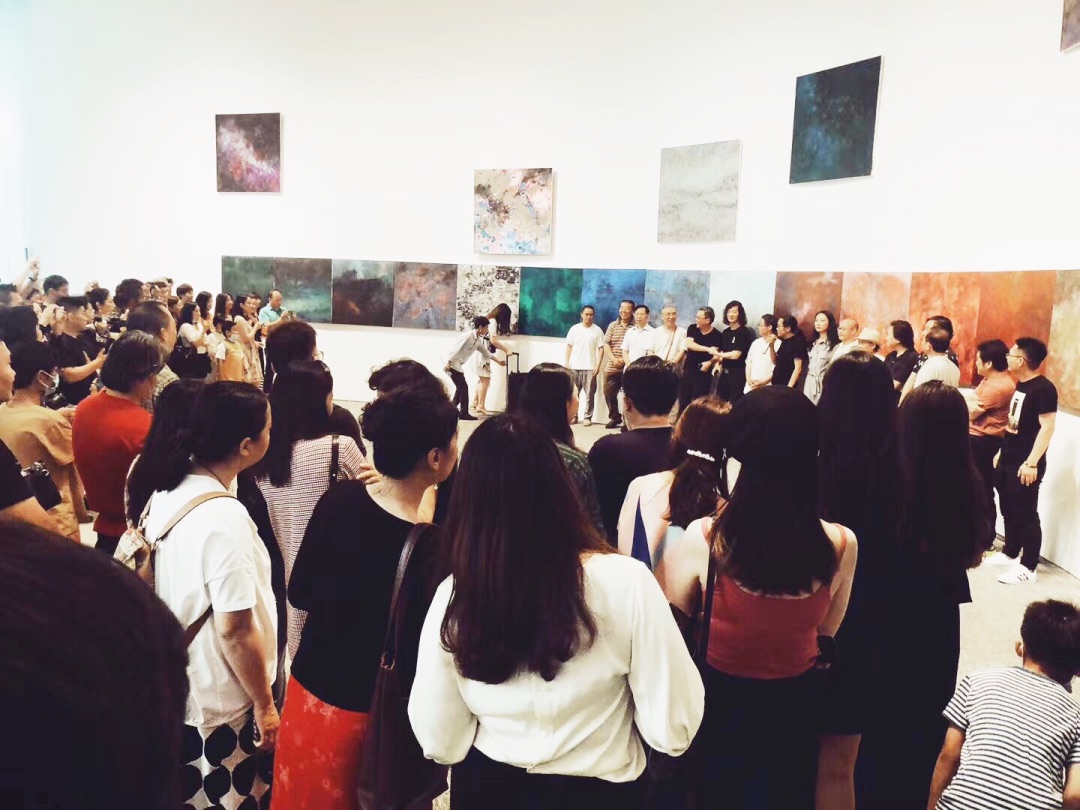
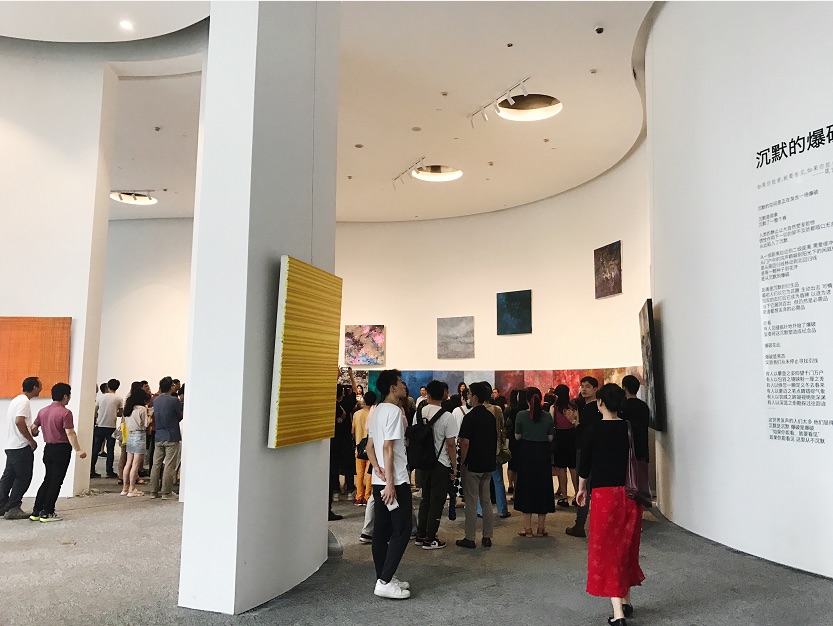
I am very pleased to be exhibiting some of my work in a physical space for the first time in the year 2020. Silent Explosion opened it’s doors  last week  at the impressive venue Wuxi Bund art Centre.

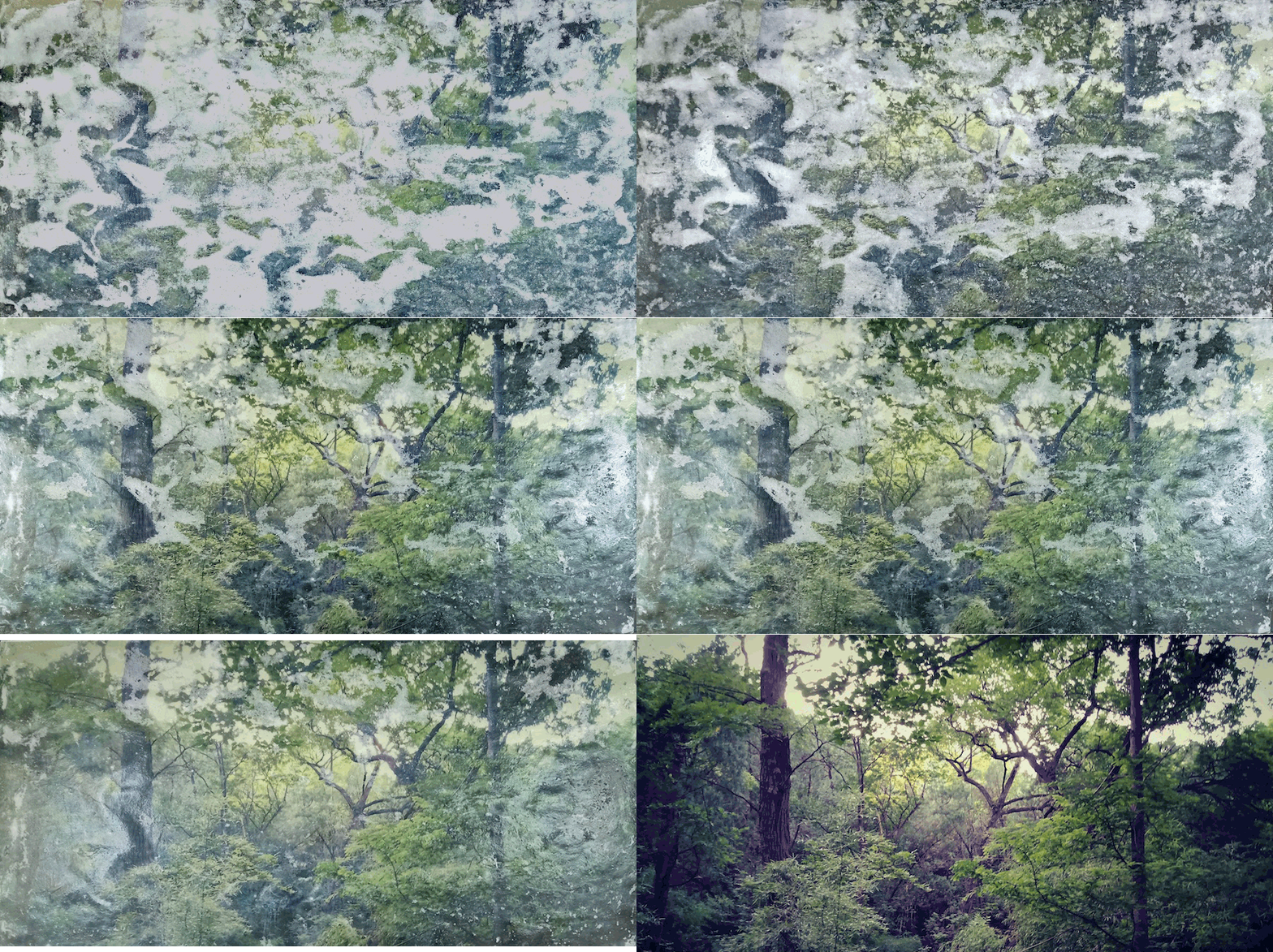
My work showing at this group exhibition is a digital work, a video showing the stages of transition of four Sucrose works in mid transformation:

We are deeply rooted in the ways we see our reality. When you observe ‘process’ you see constant change and consider the flux of relationships that intermingle to make up our systems. When we don’t see the delicate tendencies within an ecosystem which gives it its integrity there is a problem.  

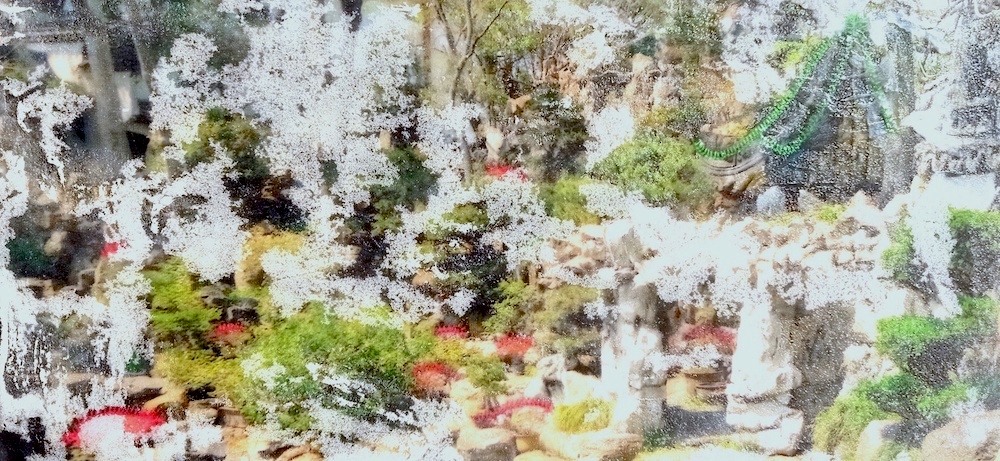
Spiked Stardust   星芒  18.03.20  Niamh Cunningham 2020

Transformation and Nature are recurring themes in my work. Transformation has an essential role in life and I have been exploring this through materiality and process of art making. For several years I have been looking at the monocrystal sugar and its interaction with paper and ink and other materials.


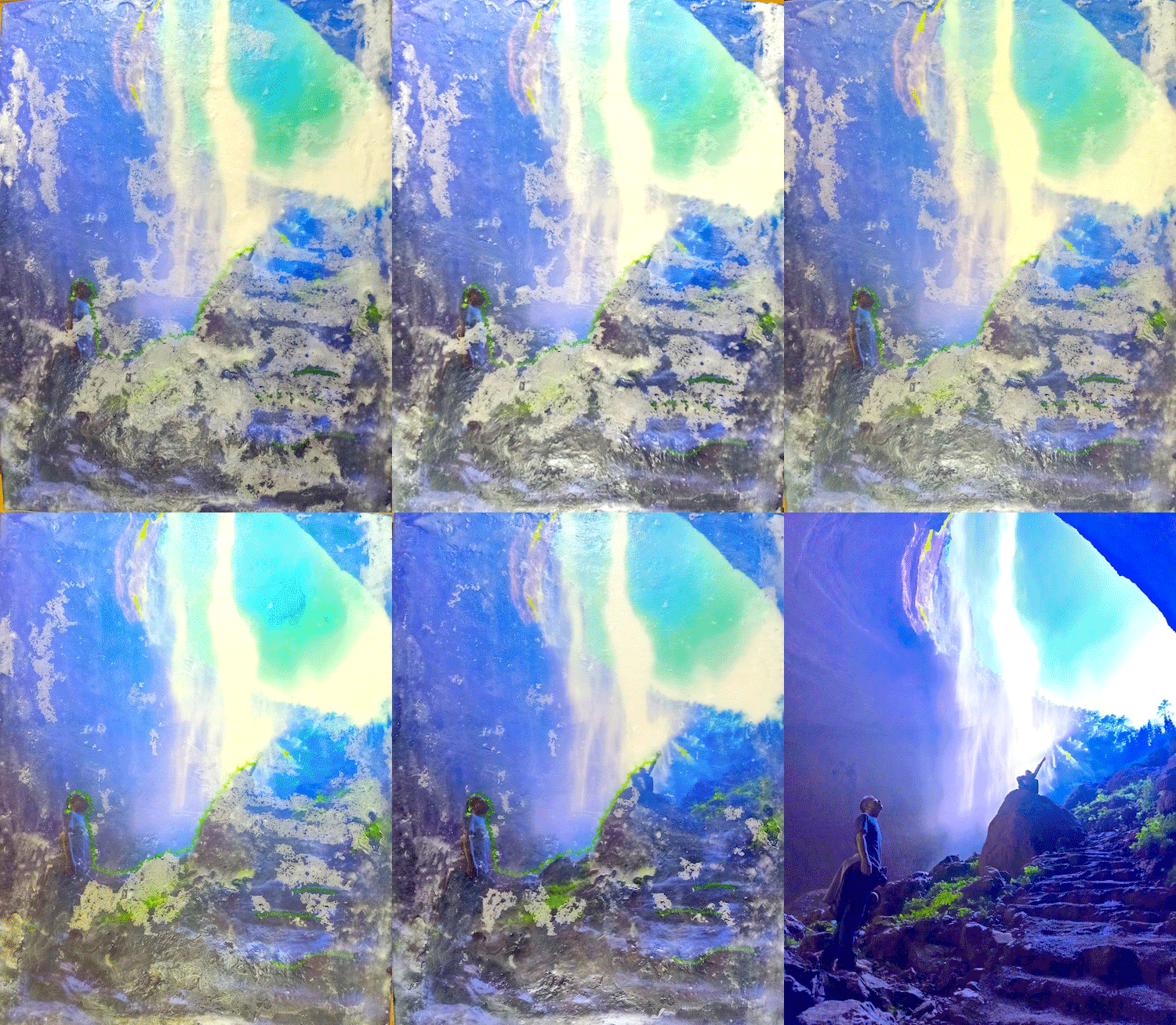
I explore this process of crystalisation in the painting process where minute ink particles pulled from the under layer of digital print are lifted into the mixture which later forms crystals. Occasionally you can see the movement of ink as the crystalisation takes place. Therefore the painting process continues without further interventions. There are two things of interest that are taking place here. At the early process stage, near the surface of the cotton paper there is a slight movement of tiny ink particles which are lifted into the sugar mixture. But this is minute in scope. The more obvious surface crystallization spreads its delicate web obscuring the image some might call this a painting in reverse.

Cotton Catkins Flying    飞絮濛濛. 15.02.20 Niamh Cunningham 2020

The dense and often disorienting landscape  of the Chinese garden has fascinated me for a long time. For these sacred gardens scholars borrowed geometrical order from Confucianism, the search for the elixir of life in Taoism (which is more in touch with natural world than the artificialities and etiquette of Confucianism)  and the garden as an aid to meditation as in Buddhism. These cosmic diagrams reveal an ancient view of man’s perspective of the natural world.

My idle Dreams roam far    闲梦远 12.02.20 Niamh Cunningham 2020

I have chosen garden sucroses, ‘Pond Poplars’, ‘Spiked Stardust ‘and ‘My Idle Dreams roam far’ which are based on my favourite Chinese garden Yu Yuan in Shanghai. The title for “Cotton Catkins Flying’ is taken from a poem by Li Yu who wrote about the West Lake in Hangzhou from where the underlying image is taken.


Taken from exhibition text


Silence is an illusion

Spring has passed through in silence

Nature is flattered by man’s inertia


沉默是假象

沉默了一整个春

人类的静止让大自然受宠若惊

Silent Explosion is an exhibition curated by Jiang Danming.

Art director :  Ma Yiying

Academic host: Tong YongSheng

Video Media : Wang Yanning 王彦宁

Participating artists include:

Chen Hao, Liu Jincai, Liu Lang, Li Jintao, Niamh Cunningham Ruilian (Ireland) ), Wang Jianrong, Wei Ying, Zhang Xuebo, Zhang Ziyi, Zhu Jiancheng, Zhu Zhigang.


A personal thanks to Ma Yiying and Zhuzhigang and Jiang Danming .


Link to the exhibition  Silent Explosion 


The Exhibition “Silent Explosion” at Wuxi Canal Bund Art Centre  continues till July 31st 2020


Taking on the Overwhelm – Ecoliteracy in the Arts


Purls from the Undercut  GIF   sucrose series Niamh Cunningham 2020 


“What is the pattern that connects?”

Exploring the cultural dimensions of sustainability is a vast subject. Recently have I been introduced to the work of systems thinker the late Gregory Bateson.  Learning about “the pattern that connects” was his life’s work. He was preoccupied with why humans frequently behave in ways that are destructive of natural ecological systems. He asked questions of holistic structures such as how does it work? what works with it? what are the relationships? how does it learn? how does it think? how does it interact? In the documentary produced by his daughter Nora Bateson “An Ecology of Mind” we see how Bateson liked to look at a thing from different angles, twist it around endlessly so as not to get stuck on a singular line of thinking. If we don’t search for this pattern that connects, in our global culture, in our educational institutions, we are likely to break it and when that happens Bateson said “you necessarily destroy all quality.”


“The planetary emergency we are facing is a crisis of culture” said Dr Cathy Fitzgerald who presented the online course ‘Essential ecoliteracy for creatives and art professionals’.   I first met artist -researcher Cathy twelve years ago in my home town of Carlow, Ireland. Her course is packed with valuable resources, video links and readings.  Fellow artists, educators and policy makers from all over the globe met on the weekly zoom meeting ,  using the material for that week we explored ecological insights that promote paradigm shifts.  The rest of this blog will touch on only a few highlights from this course.


Purls from the Undercut (16.7.5.a) sucrose series Niamh Cunningham 2020

At the beginning of the course Cathy took us through some terms such as


The Holocene : Since the last ice age 12000 years ago the earth has experienced only small scale climate shifts.  However we have drifted from the Holocene since the Industrial revolution and are now currently in the Anthropocene.

The Anthropocene : Our current era  is where humans dominate climatic, biophysical and evolutional processes at a planetary scale.    

The Symbiocene : This term was  coined by Glen Albrecht which hints at more symbiotic relationship,  where  life thrives through interrelated mutuality between many species and we can affirm the interconnectedness of life and all living things. Albrecht also said that he saw art as a meme for the Symbiocene.

Glen Albrecht is author of the book Earth Emotions where he defines other words for our new world such as solastalgia, soliphilia, (Please see link at end of this blog for more )


To support people on the enormity of the work ahead one of the modules included psycho-, social and physical supports and practices. Every module had a ‘mind-body coherence’ session, a physical and mental exercise with Veronica Larrson. I also learned unexpected things like why ‘compassion’ was far more important to practice than ‘empathy’ from eco philosopher Dr. Nikos Patedakis.


As part of the copious resources, links and readings which were packed into each weekly module I encountered environmental activist, scholar of Buddhism, general systems theory and deep ecology author Joanna Macy.

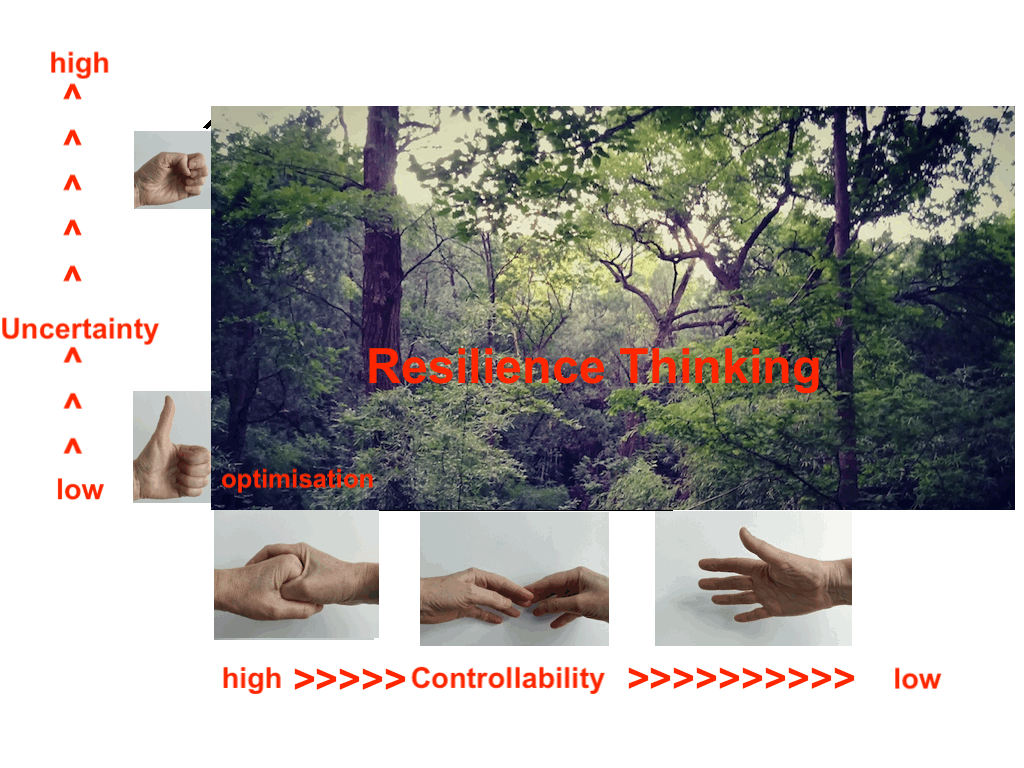
‘That knife edge of uncertainty illicits from us our greatest creativity and courage, we need to live with sufficient realism and dignity to know that we are living with that knife edge of uncertainty.’

Putting our interconnectedness, our courage and intelligence to good use she speaks of the shift of an industrial growth society to a more sustainable civilization. That knife edge of uncertainty feels all the sharper now as we work our way through the Covid 19 era.

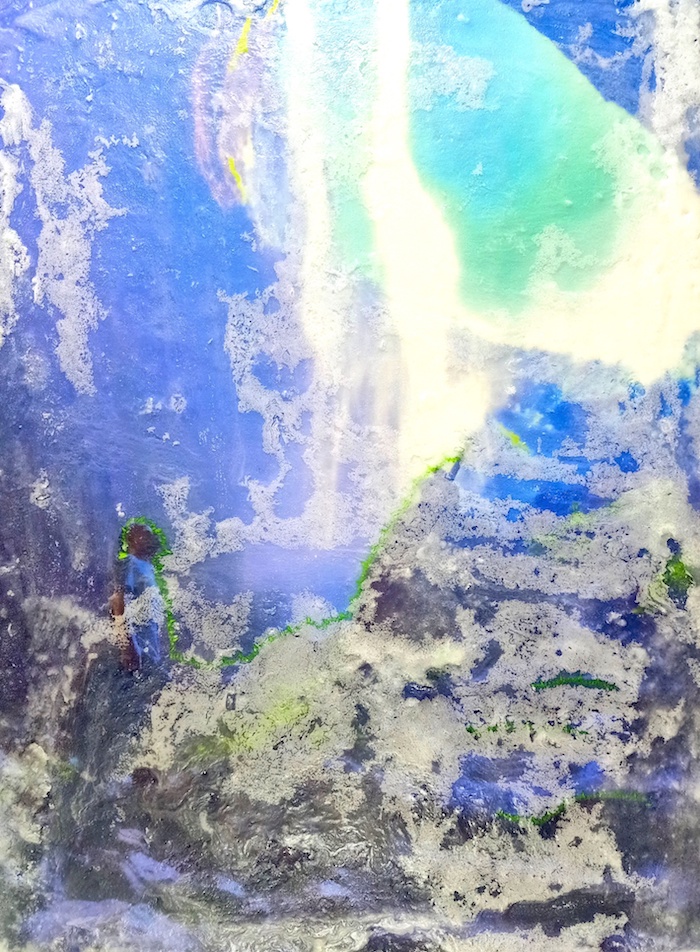
Purls from the Undercut (16.6.30.a) sucrose series Niamh Cunningham 2020

We also studied the UNSDG’s Sustainable Development Goals. (This module propelled me onto another online course called “Planetary Boundaries” for which I am currently learning. I hope to write an overview blog on that experience later.)  I came across an interview with Scientist Susanne Moser who also presented a positive picture for these overwhelming times and claimed one good reason to get out of bed in the morning is that we haven’t tried everything yet. “Having done miserably at communication, having done miserably at policy, having done miserably at market responses to climate change, this gives us a ton of hope because we could do so much better’ (earthisland.org)


The week we looked at Expanded Earth Ethics we considered the work of the late Scottish barrister  Polly Higgins. Ecocide is the missing piece of law to assist in reframing a system to avoid business as usual. Higgins is author of the book Dare to be Great. The term Ecocide is likely to have first appeared at the time of the American war in Vietnam. Cathy took us through some of the ideas behind the book Moral Ground edited by Kathleen Dean Moore.  We then looked at the Earth Charter. Systems thinker Fritjof Capra described it as a declaration of 16 values and principles to create a sustainable, just and peaceful world.

We then explored how others expanded their ecological art practices such as Newton Harrisons’ ten minute video Apologia Mediteranneo an evocative apology to the largest inland sea. On our final week participants presented our own socio eco practices to the group, learning a little bit more of the people who had been raising questions during the previous weekly sessions. After two weeks I am still reviewing many of the readings and links on the course referencing the renowned and also the less known movers and shakers in the world of ecological thinking and eco-social art practices.  


I would highly recommend this online course for artists and creatives and policy makers who wish to inform their practices / educational programs and policies.  


Here is a link to Dr Cathy Fitzgerald courses site

https://courses.haumea.ie/pages/coming_soon


This is a blog by Dr Fitzgerald expanding  on some of the topics above 

https://hollywoodforest.com/2019/05/10/good-bye-anthropocene-hello-symbiocene/#content-wrapper


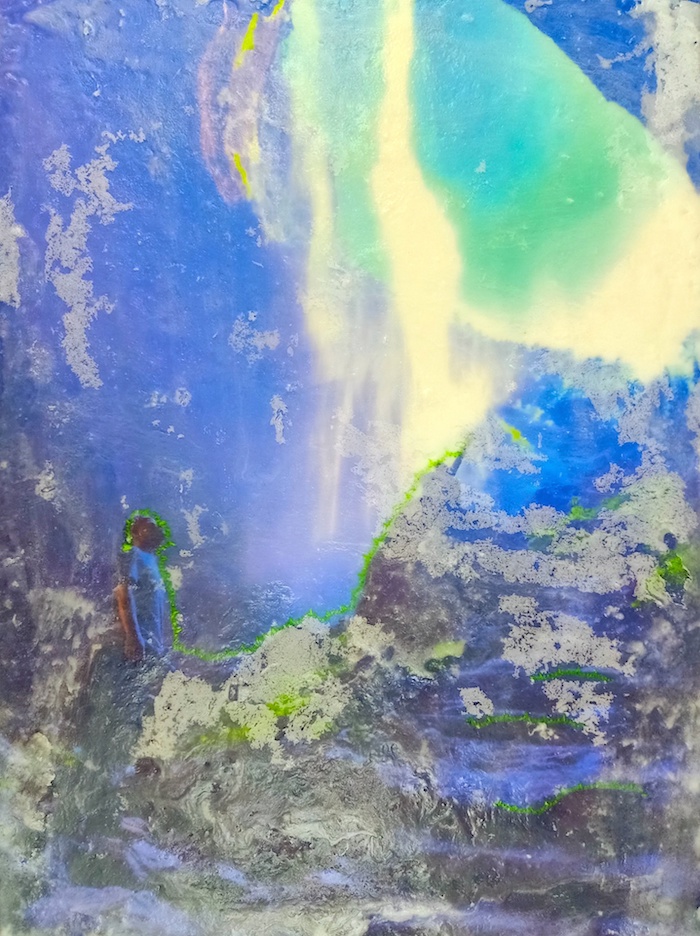
Purls from the Undercut (16.7.5.a) sucrose series Niamh Cunningham 2020


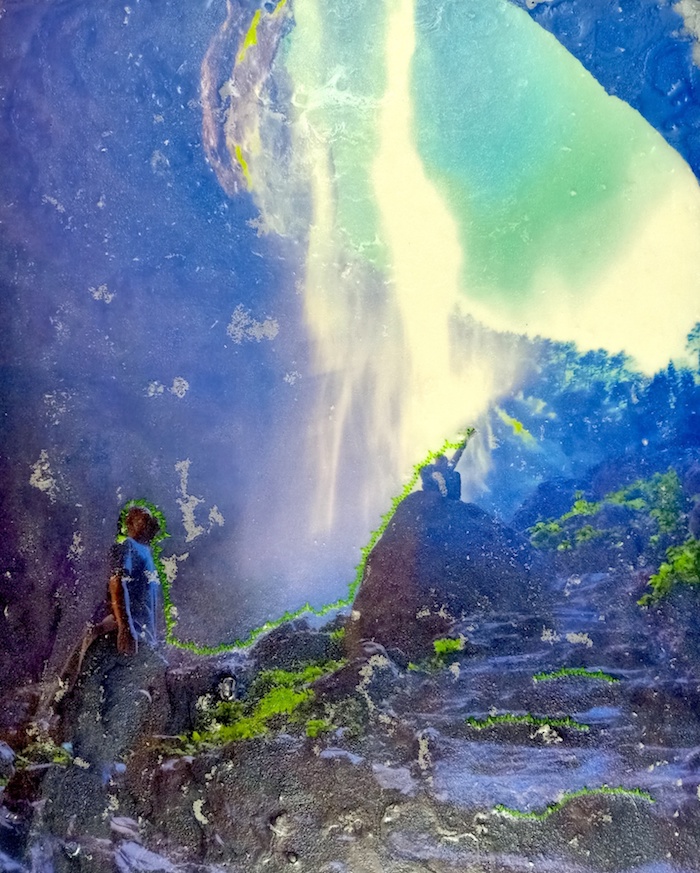
The artwork for this blog is part of the sucrose series. The image is based on a waterfall outside Shawan, Sichuan, when visiting with other artists working on the early stages of a sculpture project in ‘Hong Fangzi’ October 2019. 


Note  my practice “Memory Palace of Trees” continues with upcoming tree story about Su Dong Po’s family residence in Meishan.