All Things Bright – June 10th

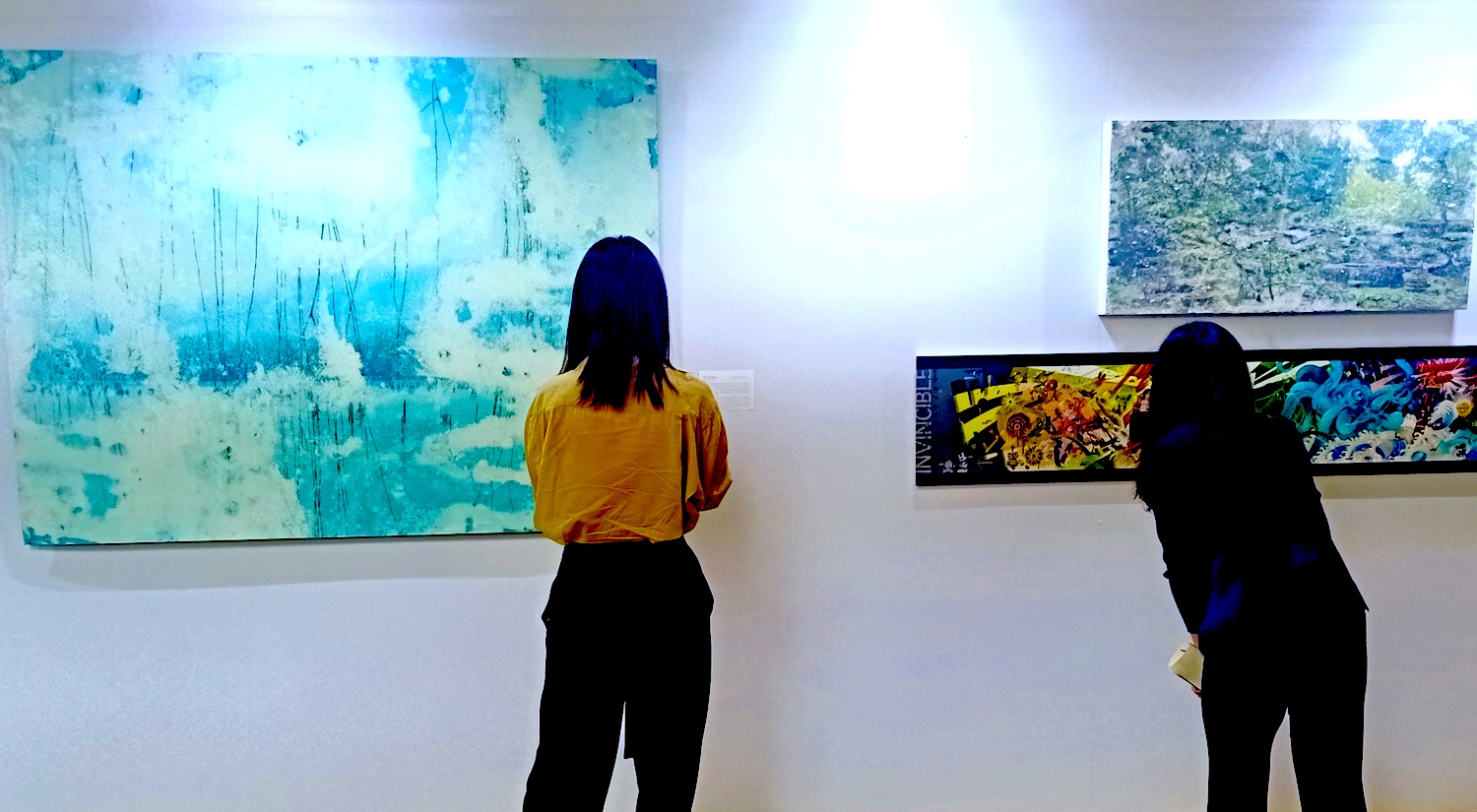
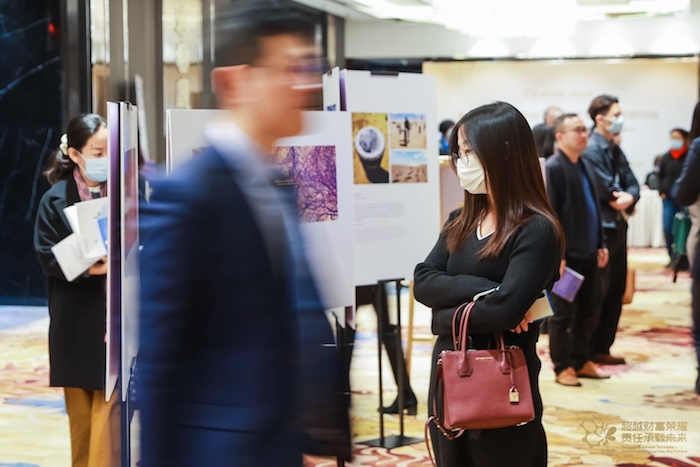
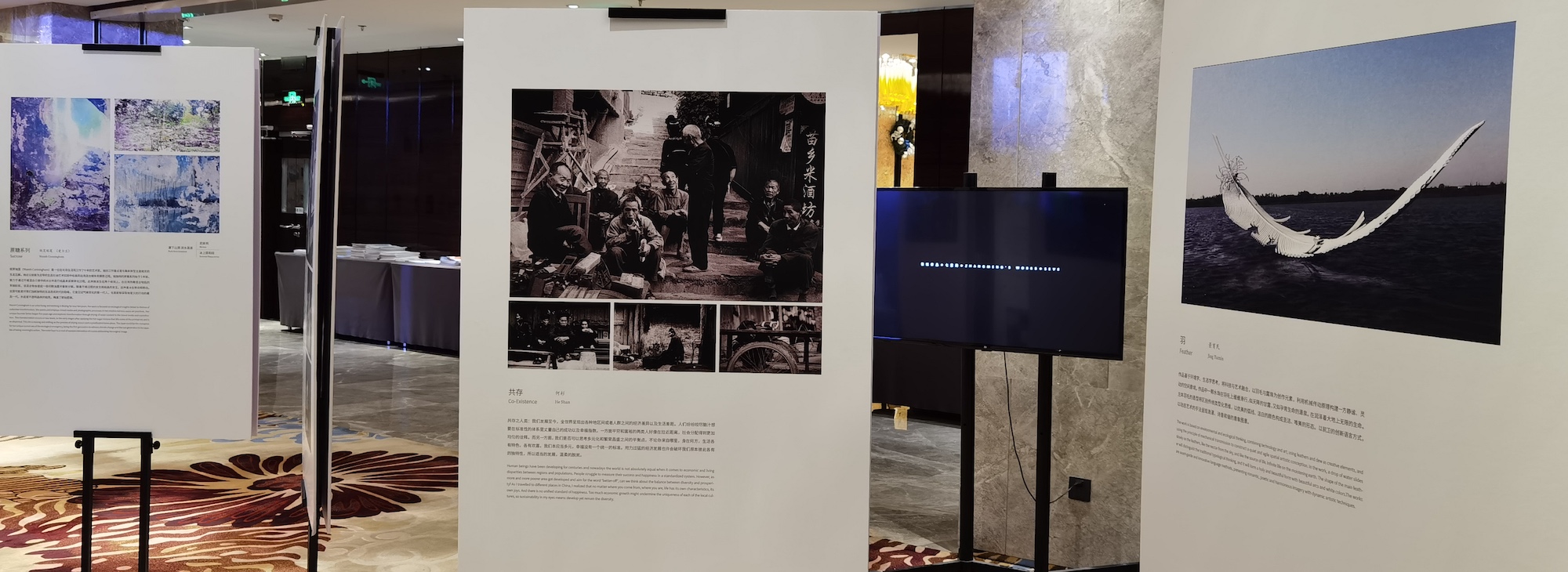
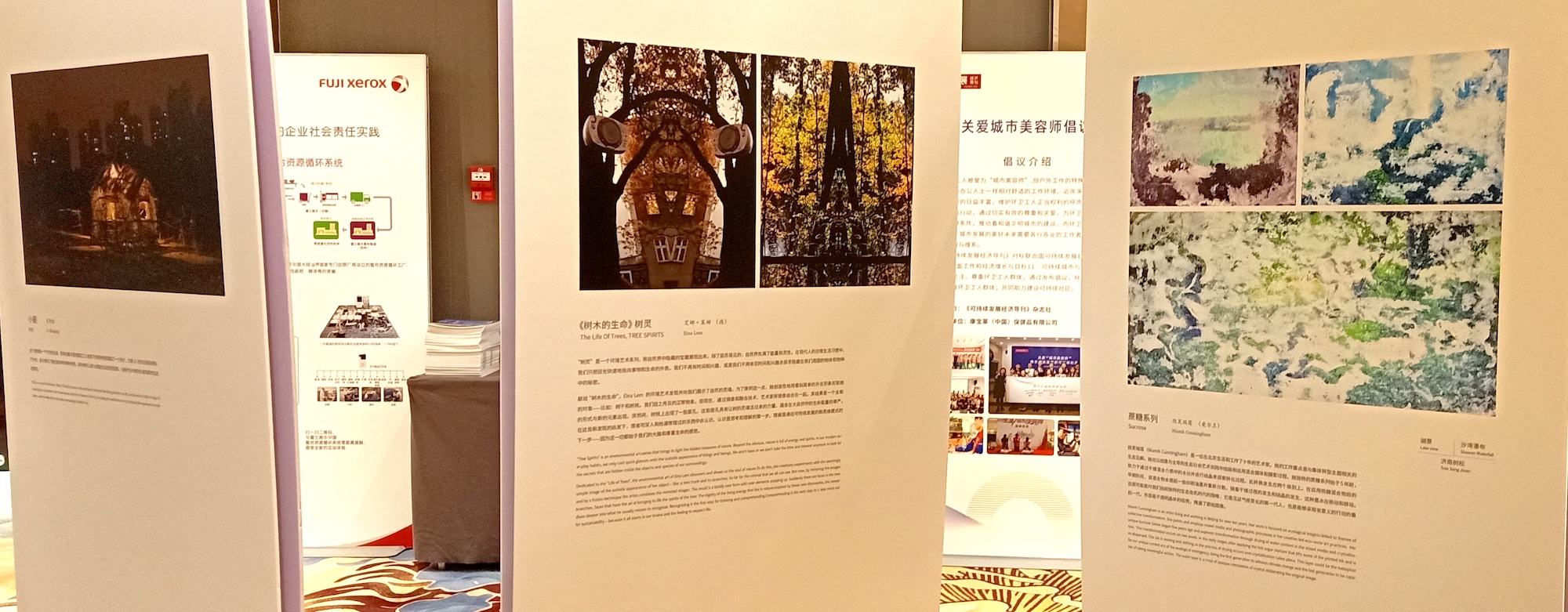
 On Thursday the exhibition “All things Bright- The Beauty of Biodiversity ” a global sustainable Art Initiative was held in the Shangrila Hotel hosted by Golden Bee.  It ran parallel to the International CSR symposium.

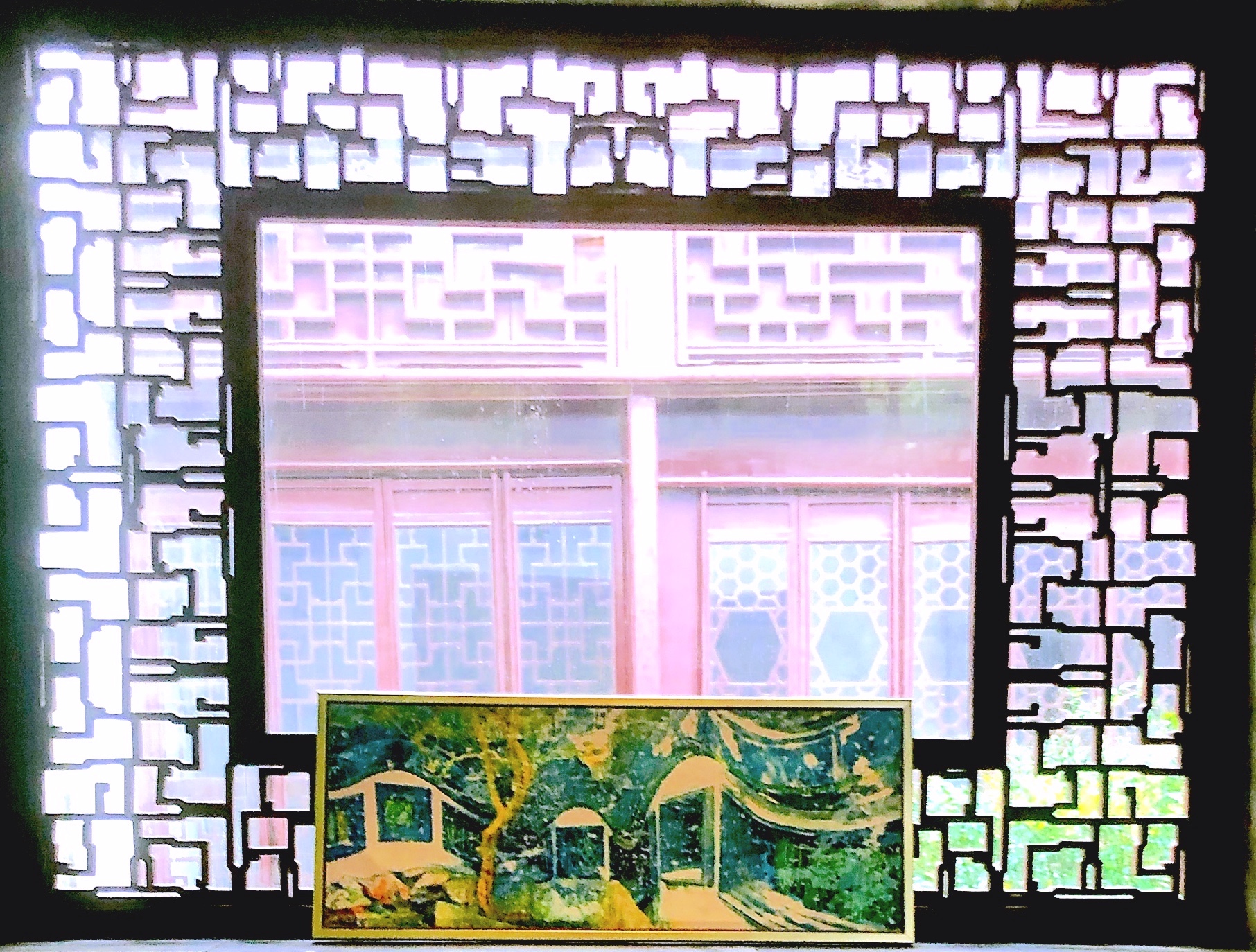
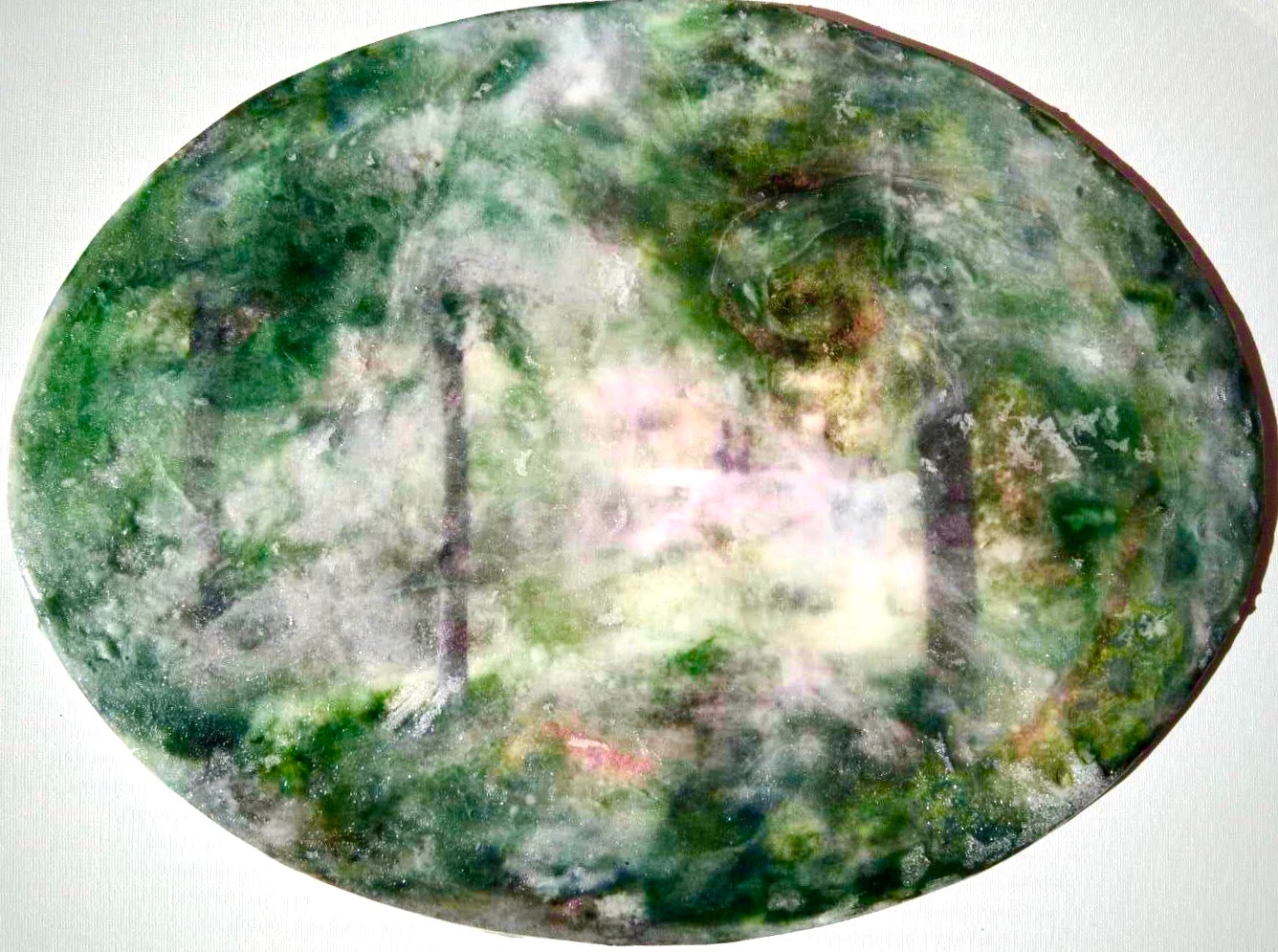
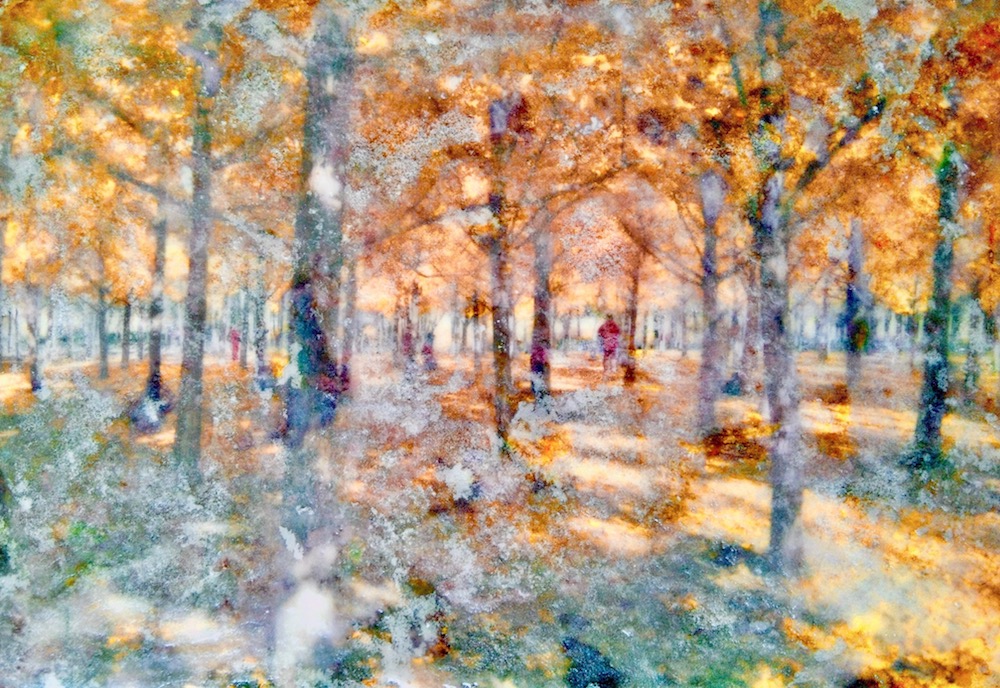
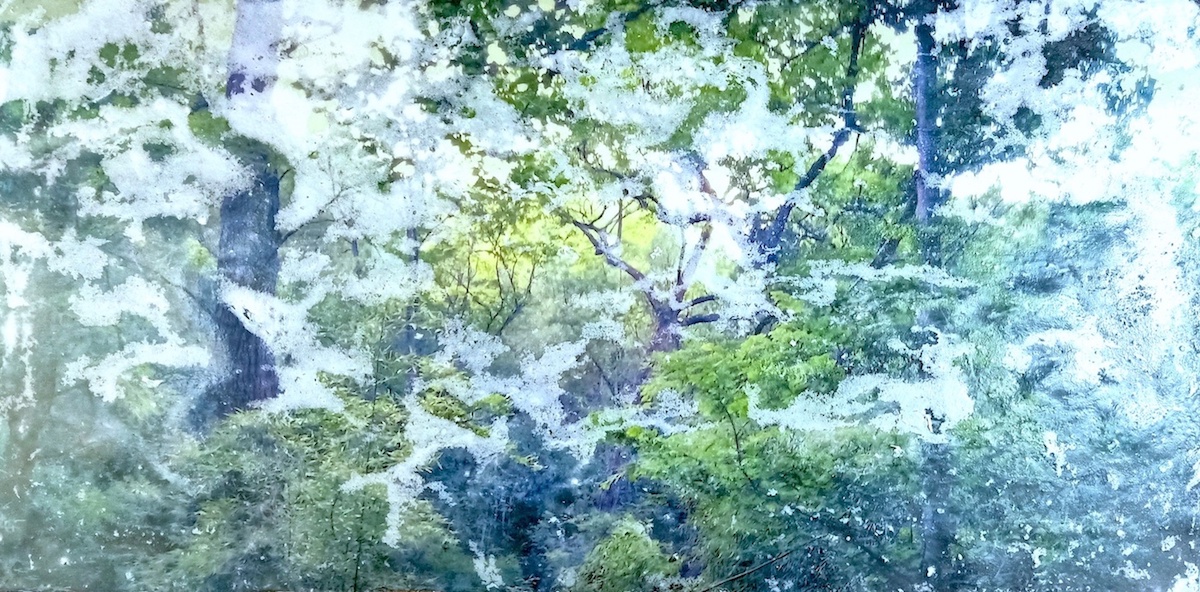
Foggy Dew – Wukou Si  Sucrose Series  mixed media 100x50cm Niamh Cunningham 瑞莲2020 

The Sucrose Series is a mixed media series which focusses on carefully selected nature photographic images which are then subjected to various ‘interventions” . These interventions represent the manmade interventions we have imposed on our planet since the industrial revolution. Following a process of multiple steps of intervention including sewing and printing on cotton, the ink is partially lifted from the surface into the sugar mixture, often Chinese water-colour is added, these pigments move in a state of flux as the sugar mixture crystalizes and so the painting continues its process in the following months and even years. The Sucrose Series involves not just the original artwork but many process images which document the changes  that has occur over many months or even years . Some of these  images from the different stages during the transformative crystalisation process reveal interesting happenings that also reflect the positive and negative feedbacks which happen to our biosphere . It is this complex network of events which are difficult to  isolate and attribute as direct consequence of a single action. This  artwork  has  been  shown  on  my  blog  a collection of tree stories  called  “Memory  Palace of  Trees ” in 2020 . This is a socio eco practice where the public is invited  to share tree stories. This year  tree stories are submitted  in the format of one minute videos.

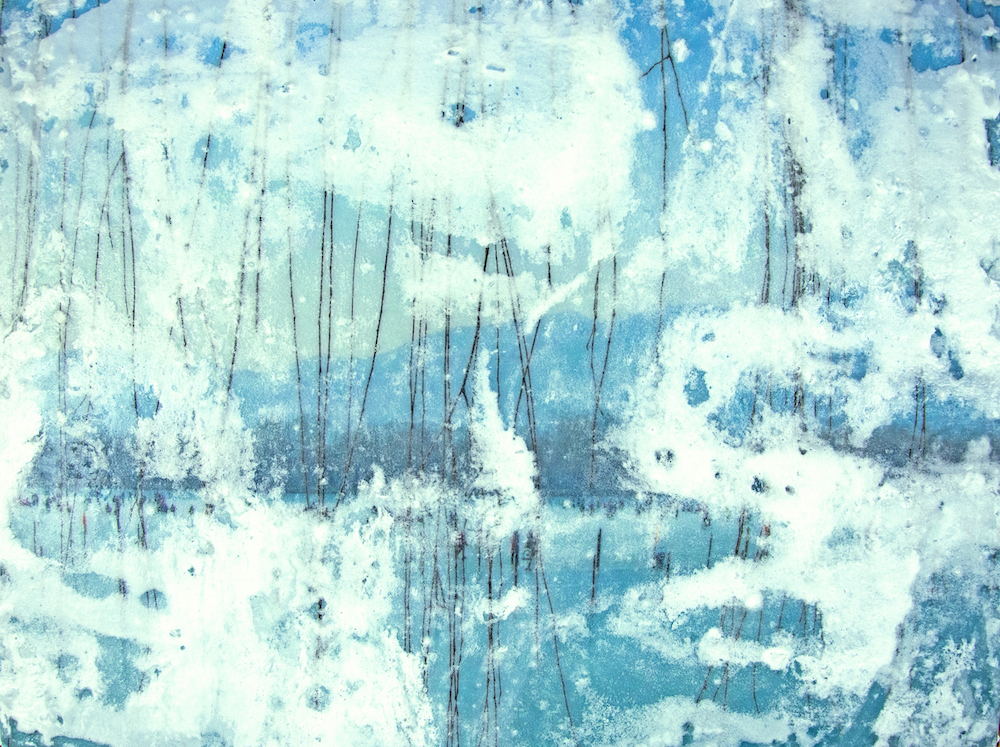
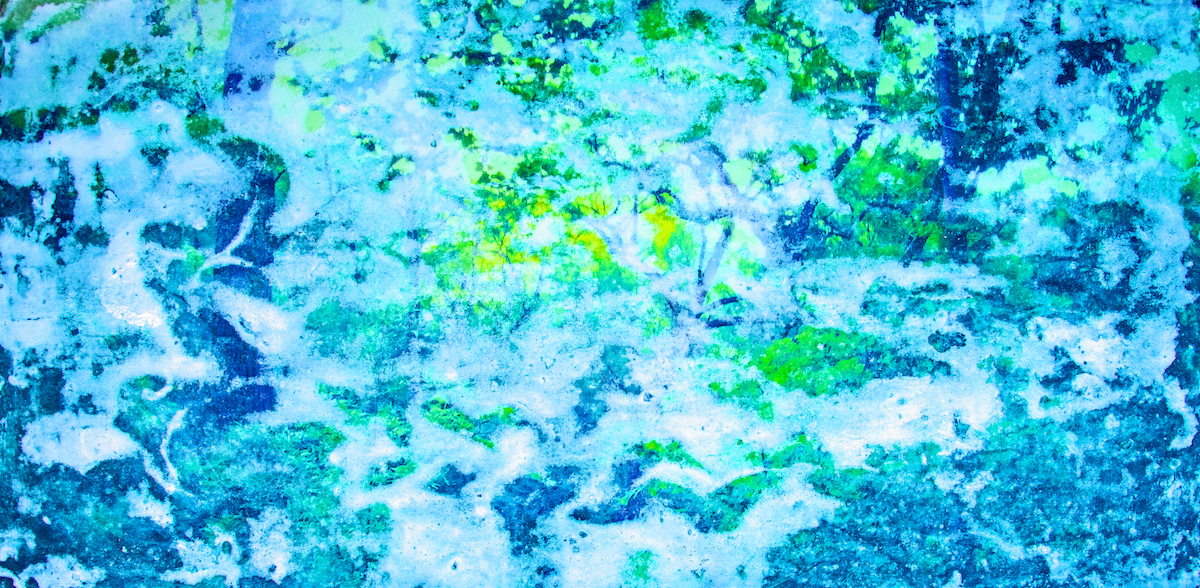
Willow Ice,   process print Sucrose Series UV print on Aluminium composite, 120×160 cm Niamh Cunningham 2020 

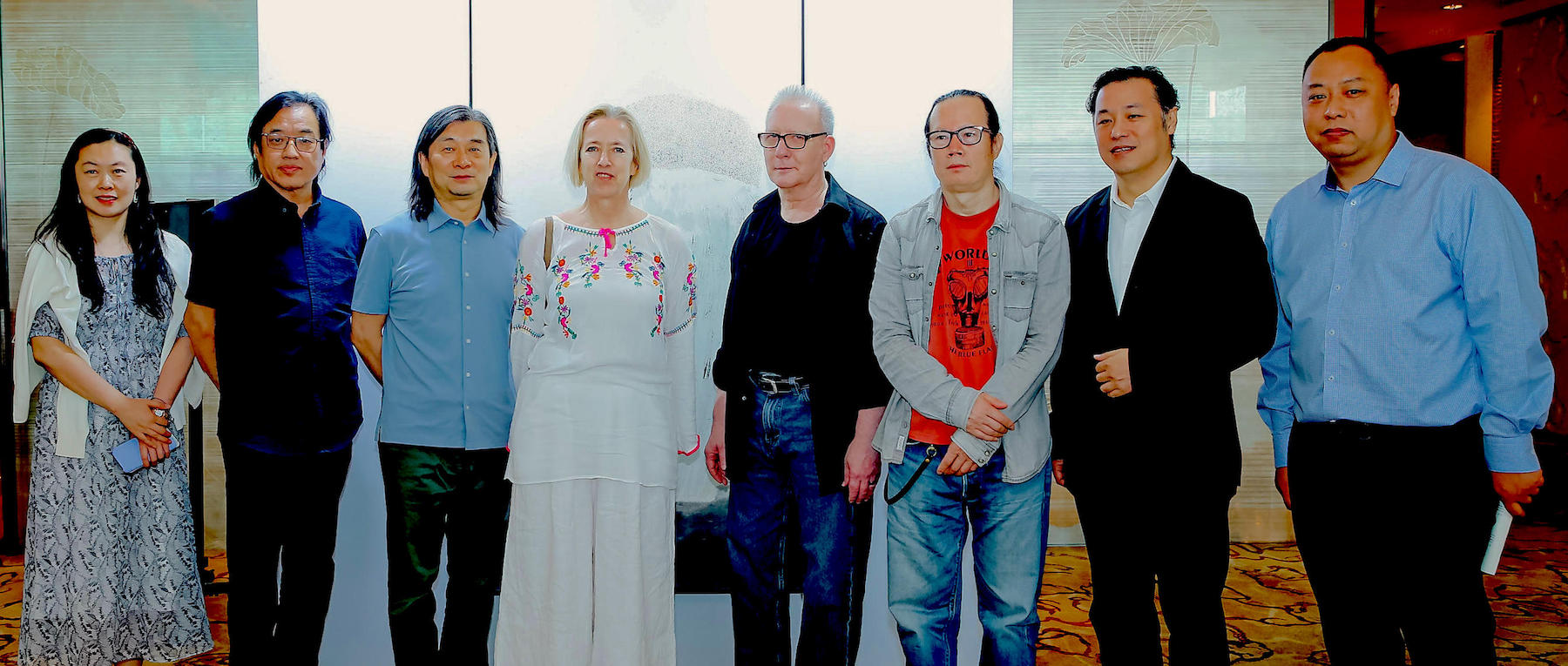
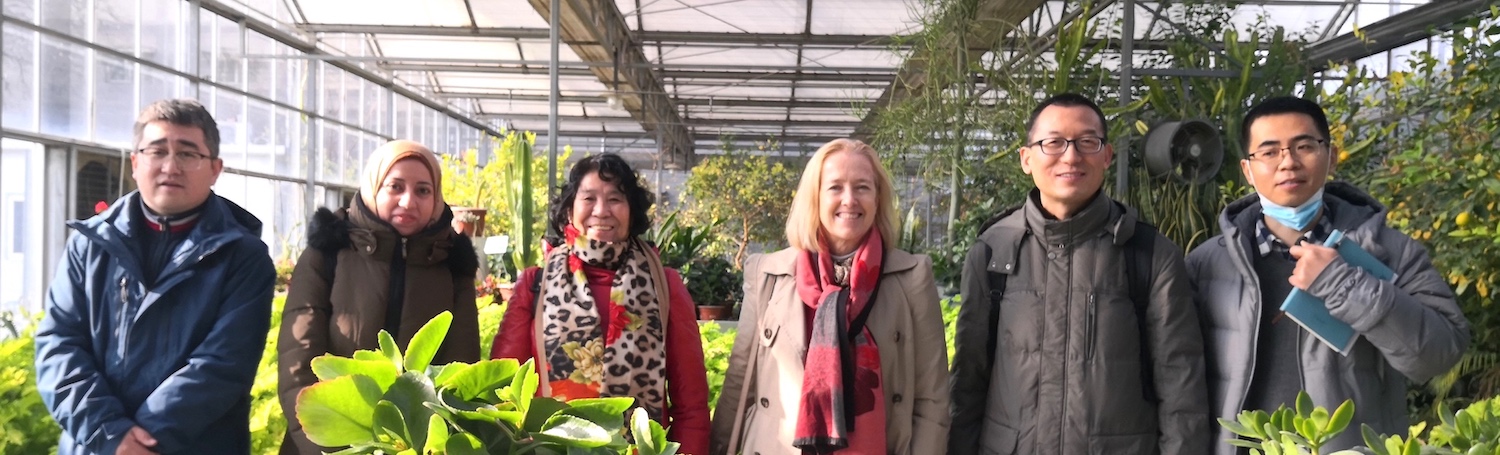
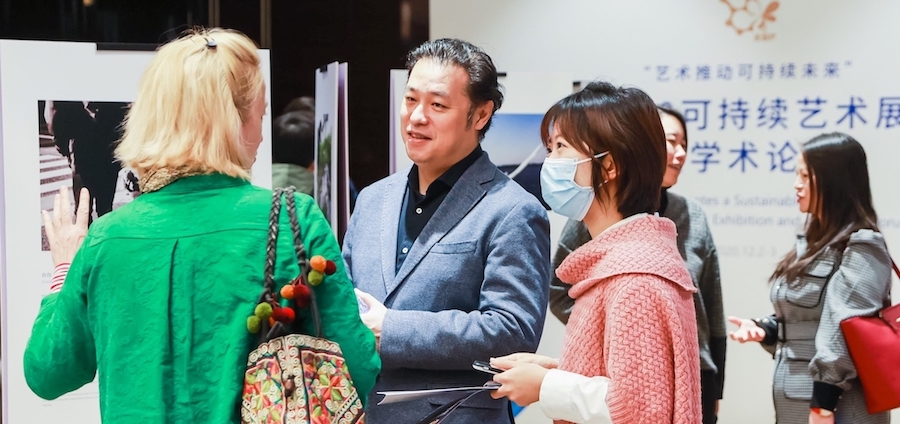
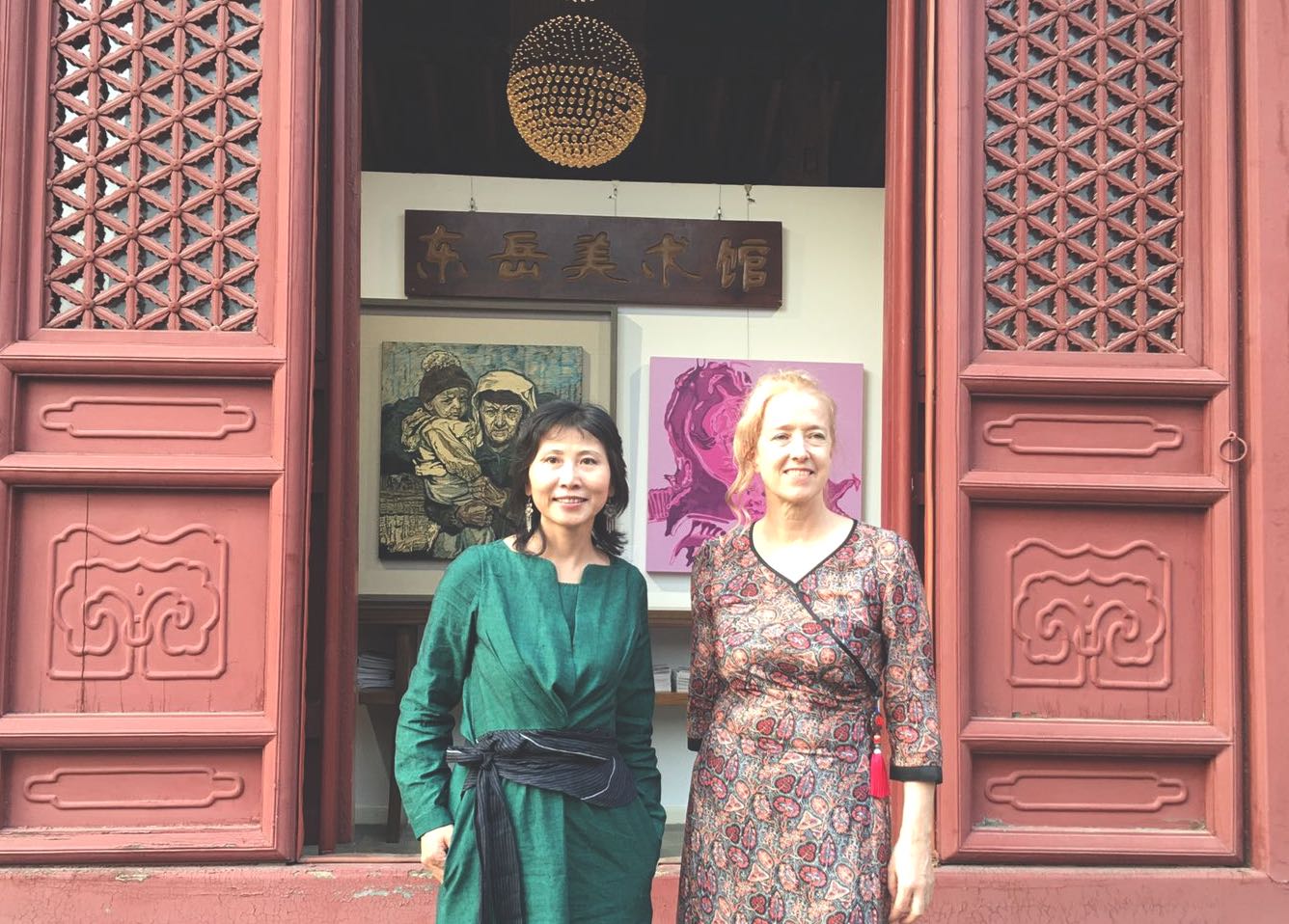
with some of the participating artists including WangHainan 王海南,Jing Yumin 景于民, Gu Liming 顾黎明,myself,瑞莲 Michael St Amand , Zhang Meng 张锰,Mr Zhuang (CEO) 庄先生,Liu Yue 刘悦
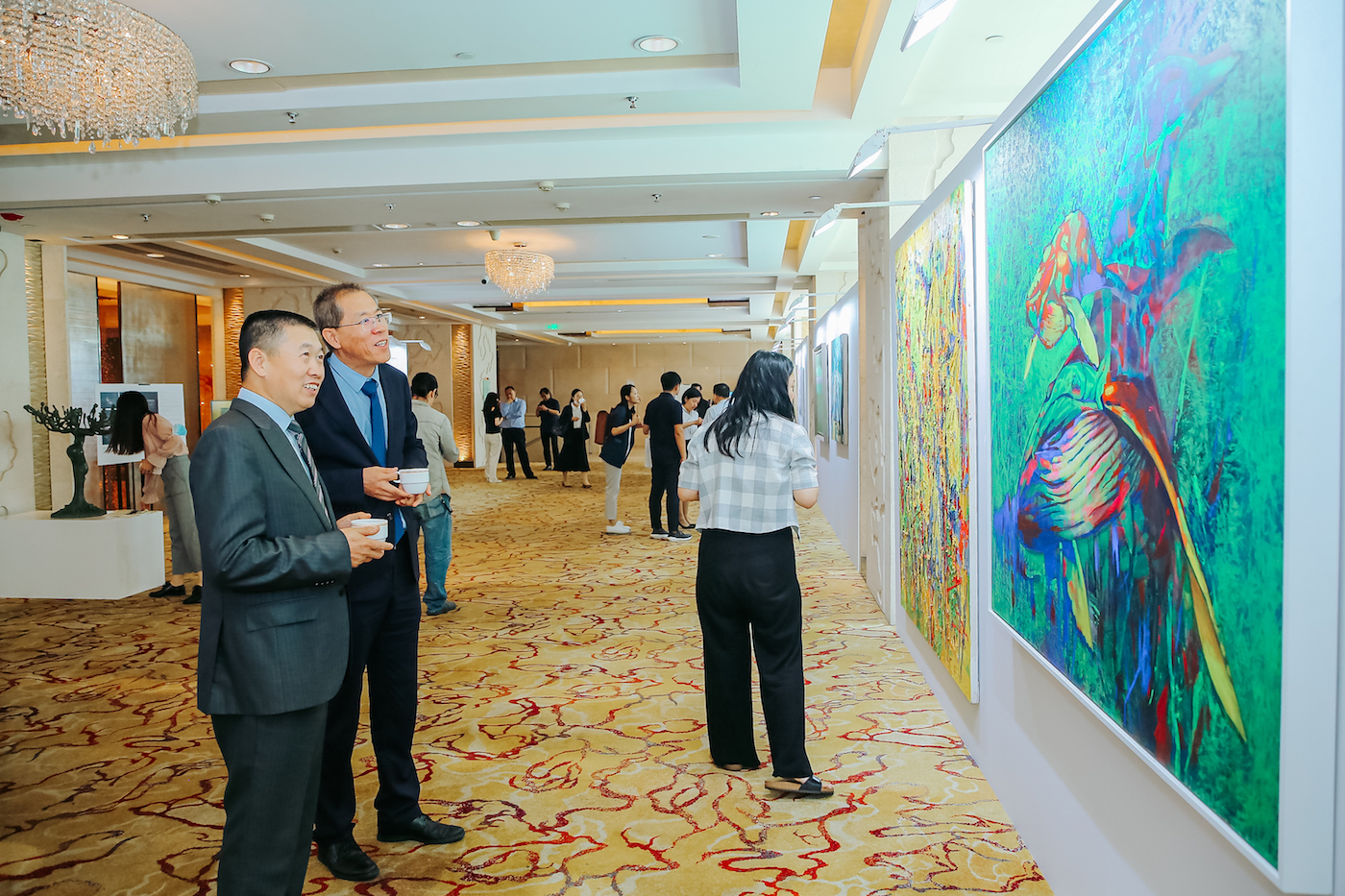
 

A sincere thank you to Mr Zhuang of Golden Bee , a global sustainable art initiative , also to Liu Yue and ShiYan  and those further afield 


List of Participating Artists  
景育民 Jingyumin

王小杰 WangXiaojie

刘悦 Liuyue

郑靖 Zheng Jing 

张锰 Zhang Meng

艾娜。莱姆 Anna Laimu

张帆 Zhangfan

米卡。库恩

Niko de la Faye

周是麟 Zhoushilin

郑岱 Zheng Dai 

顾黎明 Gu Liming 

何杉 HeShan 

Niamh Cunningham  瑞莲

CROW 

吕智张 Lv ZhiZhang

王海南 Wang hai nan 

于扬 Yu Yang

韦冬 Wei Dong

Munkh Erdene

Michael St Amand 

李超 Li Chao 

Urlike Arnold 

Victor van Keuren 


What is Microbe Art?


简体中文

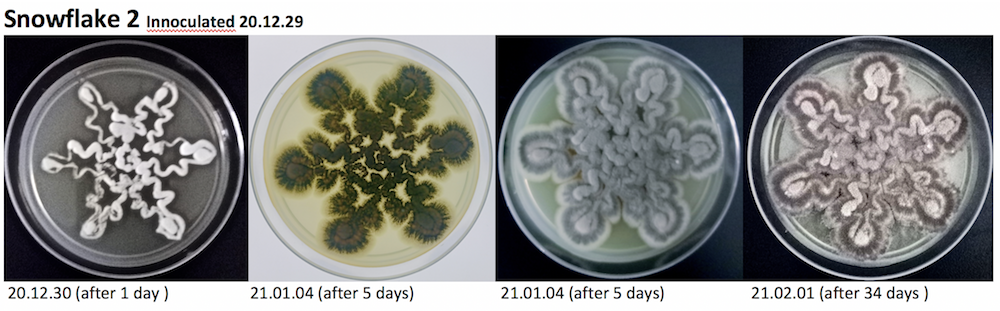
Living Roots Awaken in my Hands found dust on Luria -Bertani

I like to explore the relationship between art, science and society. My work is focused on transformation and the surrounding ‘entanglements’ that constitute life and our ecosystems. I view Microbe Art as a  transformation that reflects bigger concerns such as the balance of ecosystems and working within a delicate environment.

The value of art and science is not so much about introducing technologies but to inspire new thinking and new ways of confronting the various challenges for our current world.

I first started working with the IPE (Institute of Process Engineering- Beijing) on a project developing “The Microbe Art” in December 2020. Working with Prof Xing Jianming and IPE has been a hugely positive experience . A special thank you also to Dr Peter Mu who helped me in the laboratory, he introduced the world of making growth media, autoclaving, and aseptic techniques,


Microbe Art invites different ways of seeing.

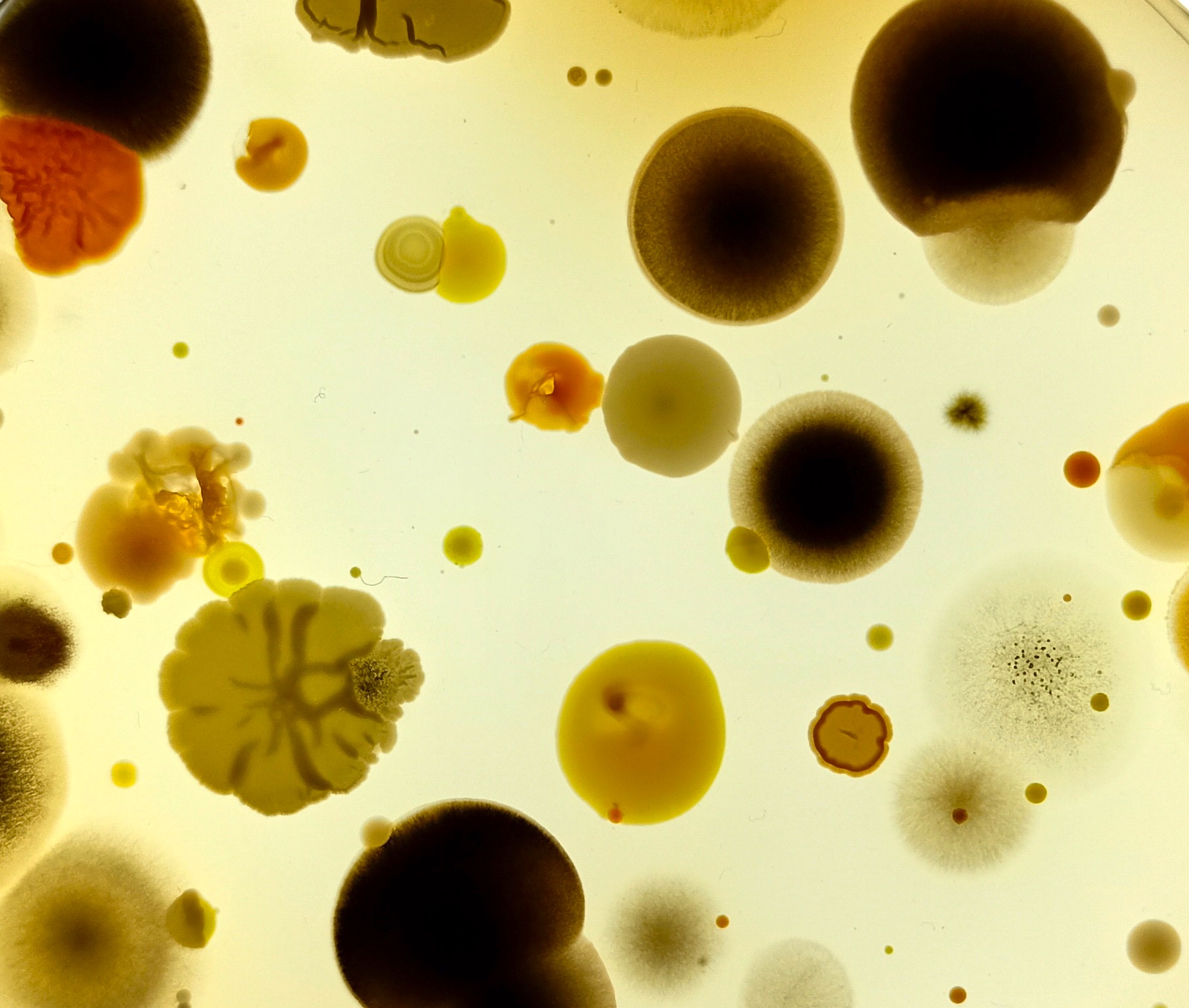
Microbe Art is exciting because it deals with these tiny nanomachines we don’t normally see. However, when grown in colonies under certain conditions we can witness their presence in unexpected ways.


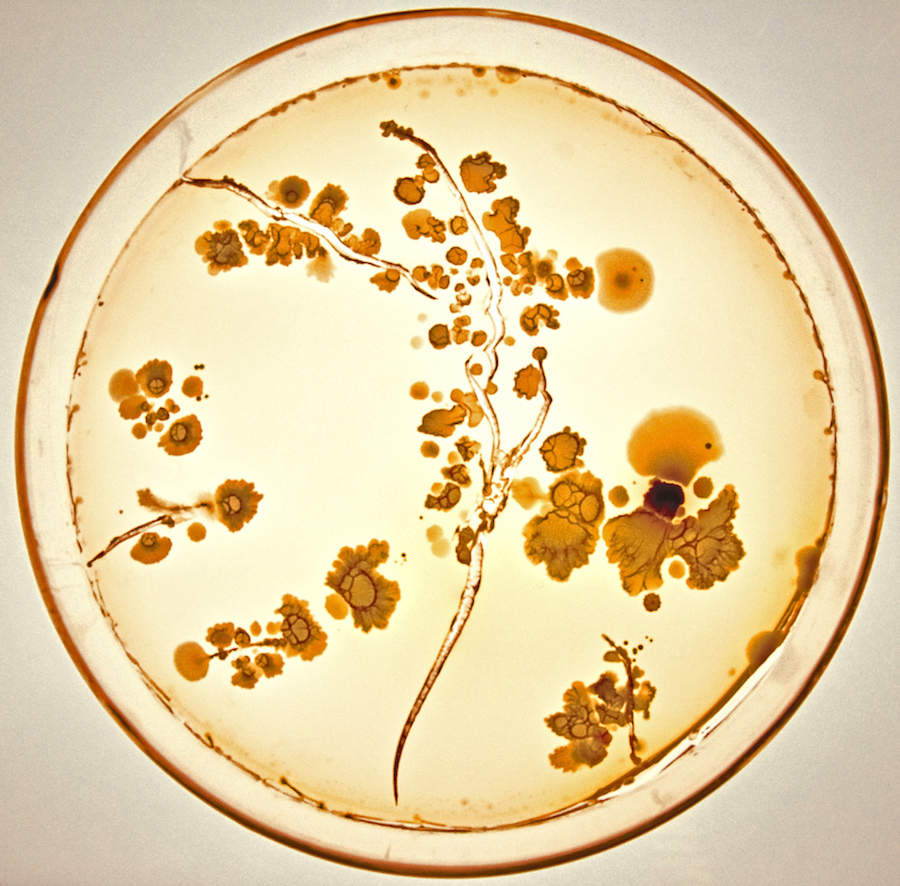
 The same petridish under different light 

"Lifelights II " E coli GFP, Kocuria Rosea, White M , on LB under UV1. “Lifelights II ” E coli GFP, Kocuria Rosea, White M , on LB under UV.

2.”Lifelights I ” E coli GFP, Kocuria Rosea, White M , on LB on lightbox.

3. “Lifelights III ” E coli GFP, Kocuria Rosea, White M , on LB on dark background.


What are the things we feel when we look at Microbe Art?

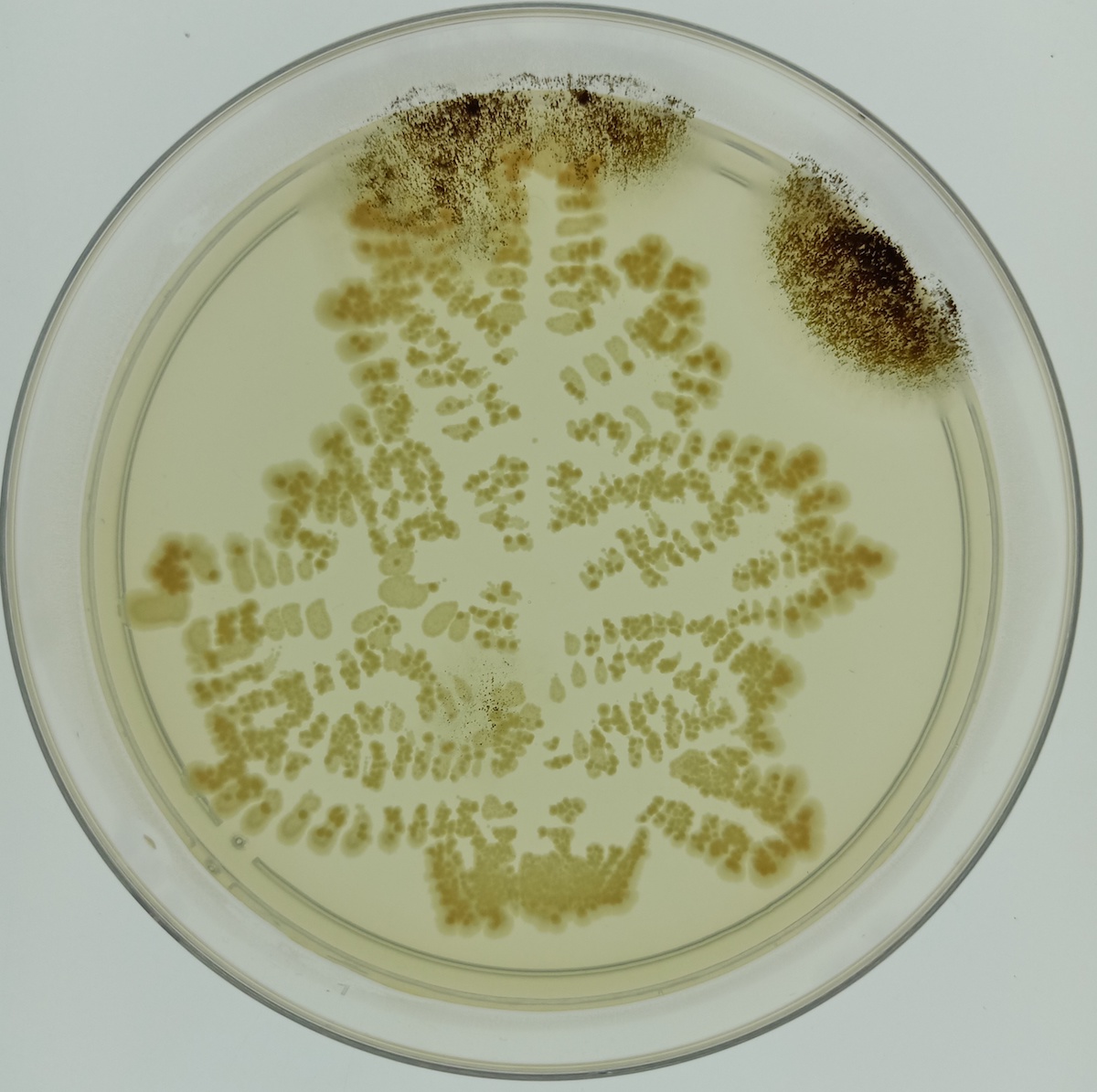
Working in the same office as Dr Mu is Dr Yang ,  Below is Dr Yang’s plate of microbes gathered from his home , this provided Dr Mu and I with new  microbes later sequenced and identified as Kocuria Rosea , Glutamicbacter Nictoniane , and others for further work . 

“Life is a box of chocolates- you never know what you’re going to get”

Microorganisms are ubiquitous and are found from within our own bodies to the deepest oceans and frozen lakes.  They drive processes such nutrient cycling in ground and water ecosystems. Microbial activity in humans includes producing food, digesting food, reducing inflammation etc. And of course there was that popular myth, the idea that there are much more bacteria than human cells in the body but scientists have concluded it is much closer  1:1 ratio , in fact “ the numbers are similar enough  that each defecation event may flip the ratio to favour human cells over bacteria “Nature 08, Jan 2016  ( Don’t you just love the way scientists talk!)


The Process 


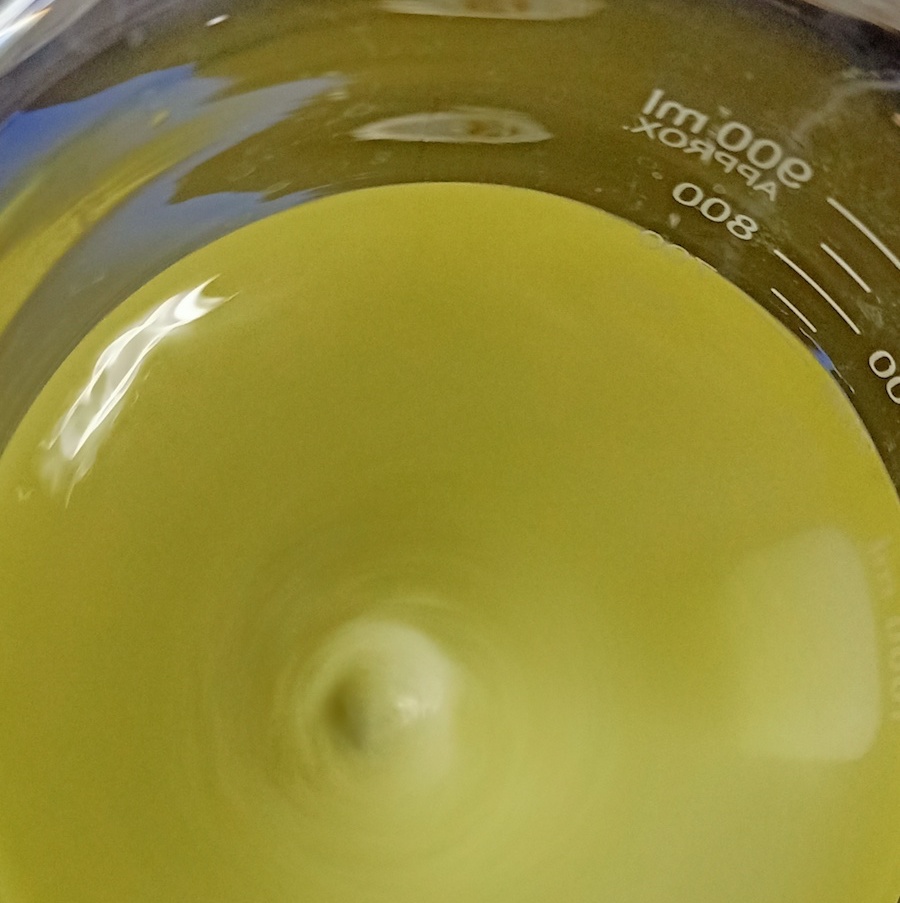
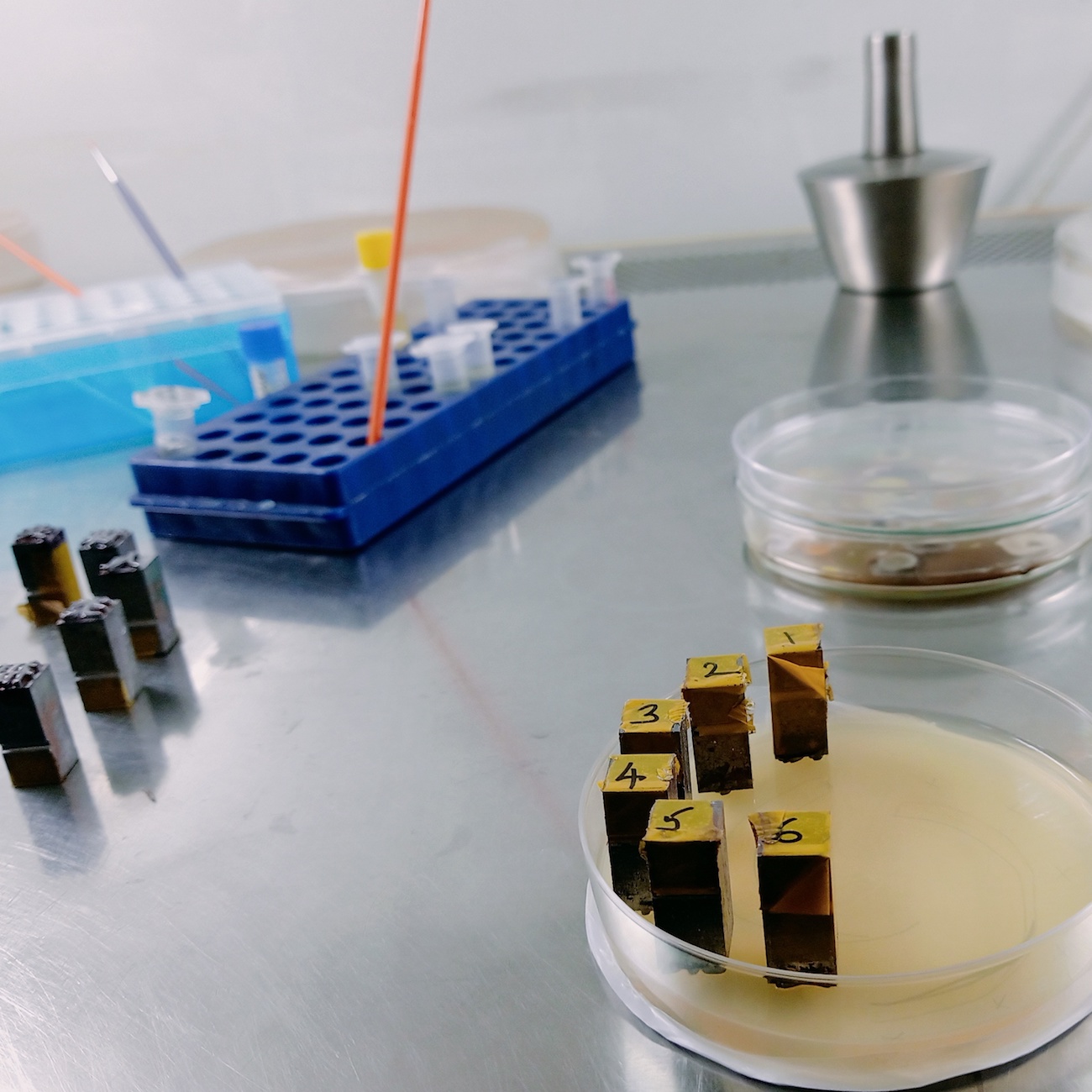
1.Making Luria Bertani growth media                  

2.  Autoclaving  growth media                            

3. The plates are poured and allowed to cool and solidify under UV light to help maintain a sterile environment, The

lid sitting slightly above the cooling gel reduces chances of contamination however sometimes condensation gets caught on the lid sitting above the plate, this can sometimes contaminate the gel.


4. Glove contamination is easier to happen than you might think

5. After using wire loops to inoculate the plates I discovered I often broke the surface of the media. I later tried sterile plastic loops which were far easier tools to manage. Of course I broke even more rules using sterile brushes, and   even using print blocks .

6. Electrophoresis shows clear and distinct bands showing PCR was successful. Microbe Art6. Electrophoreis shows clear and distinct bands showing PCR was successful.

When we identified colonies with good performance growth and colour Dr Mu  isolated the colonies a few times to make sure they were pure without other strains . This was the first time I had seen a PCR (Polymerase Chain Reaction) machine being used. After electrophoresis confirmed the PCR worked Dr Mu sent off samples for sequencing. When the sequence code results arrived,  he matched the codes using a website where we could upload the segment of sequence to match and identify the exact strain of colonies with which we were working.


Microbe Art Workshops at Middle School 101

Microbe Art and transdisciplinary education

Microbe Art Workshop at Middle School 101

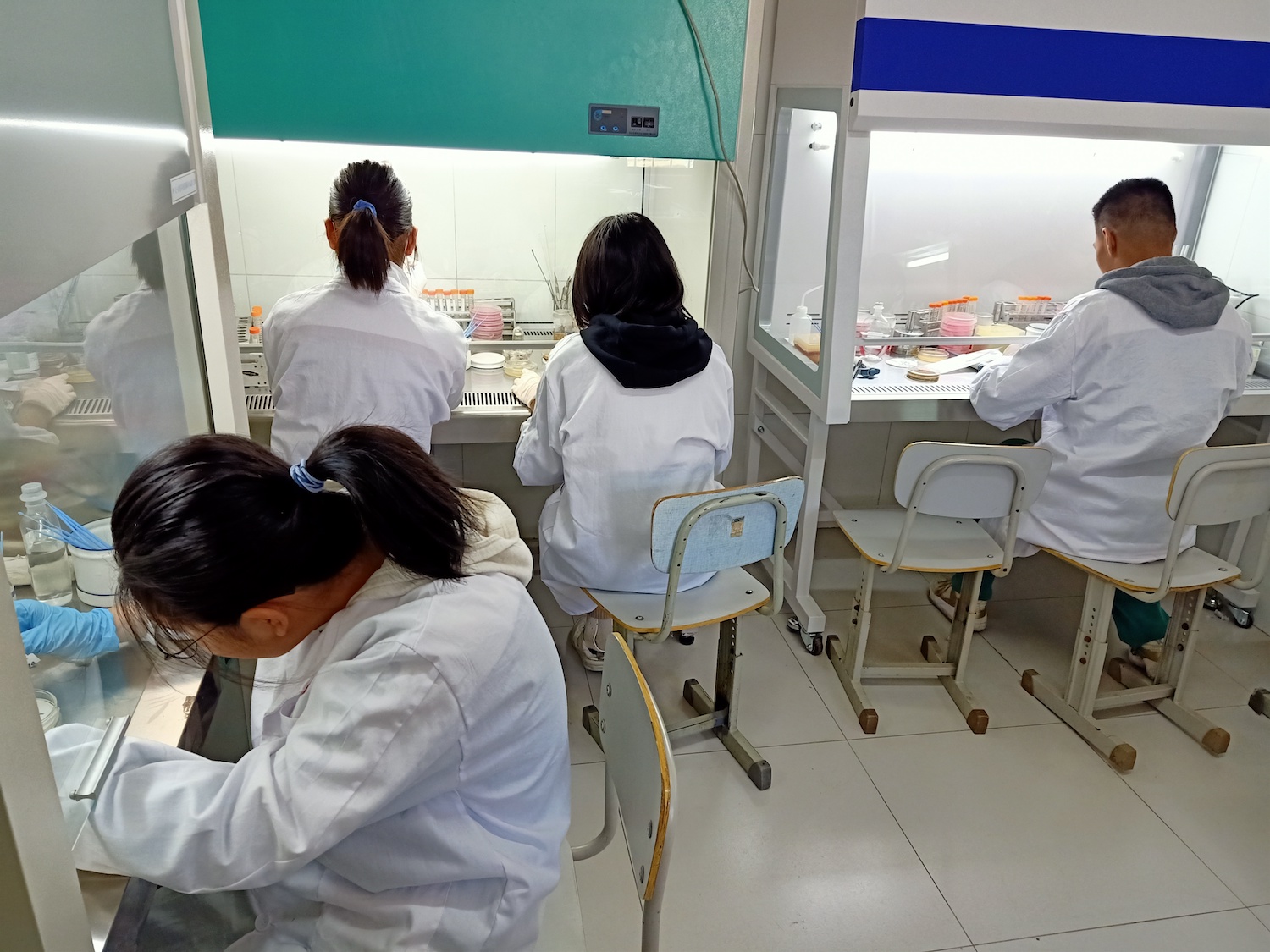
The Microbe Art Project brought scientists from the IPE including Prof Xing Jianmin, Dr Peter Mu and Dr Yang together with Teacher Ma (a well renowned science teacher here in Beijing) to present workshops on exploring  different growth processes and developing aseptic techniques in order to create artworks  at Middle School 101. This bringing together scientists, students, and artist transcends the boundaries of individual disciplines, discovering flexible forms of learning and collaboration.

IPE scientists Dr Peter Mu, Dr Nadia Samak, Teacher Ma, myself, Prof Xing Jianmin and Dr Yang  on our first visit to Middle School 101 in the school horticultural centre December 2020


Microbe Art in environmental research

Microbe art will extend beyond the petri dish. Scientists at IPE and those from other institutes will be working together developing plastic degradation in art. We are aiming to develop this over the next few years. Currently there is an ongoing academic research project spanning many countries and universities on plastic degradation. We are aiming to collaborate in such projects. I believe Microbe Art will be useful in developing popular science, cross discipline education  and extracurricular activities for middle schools . This is also important as we address the ecological emergency as we develop microbial art in plastic degradation and many other areas as we prepare for an ecologically safe living space for humanity and all living things.


****************

This was my “Year of the OX post” made on my blog earlier this year


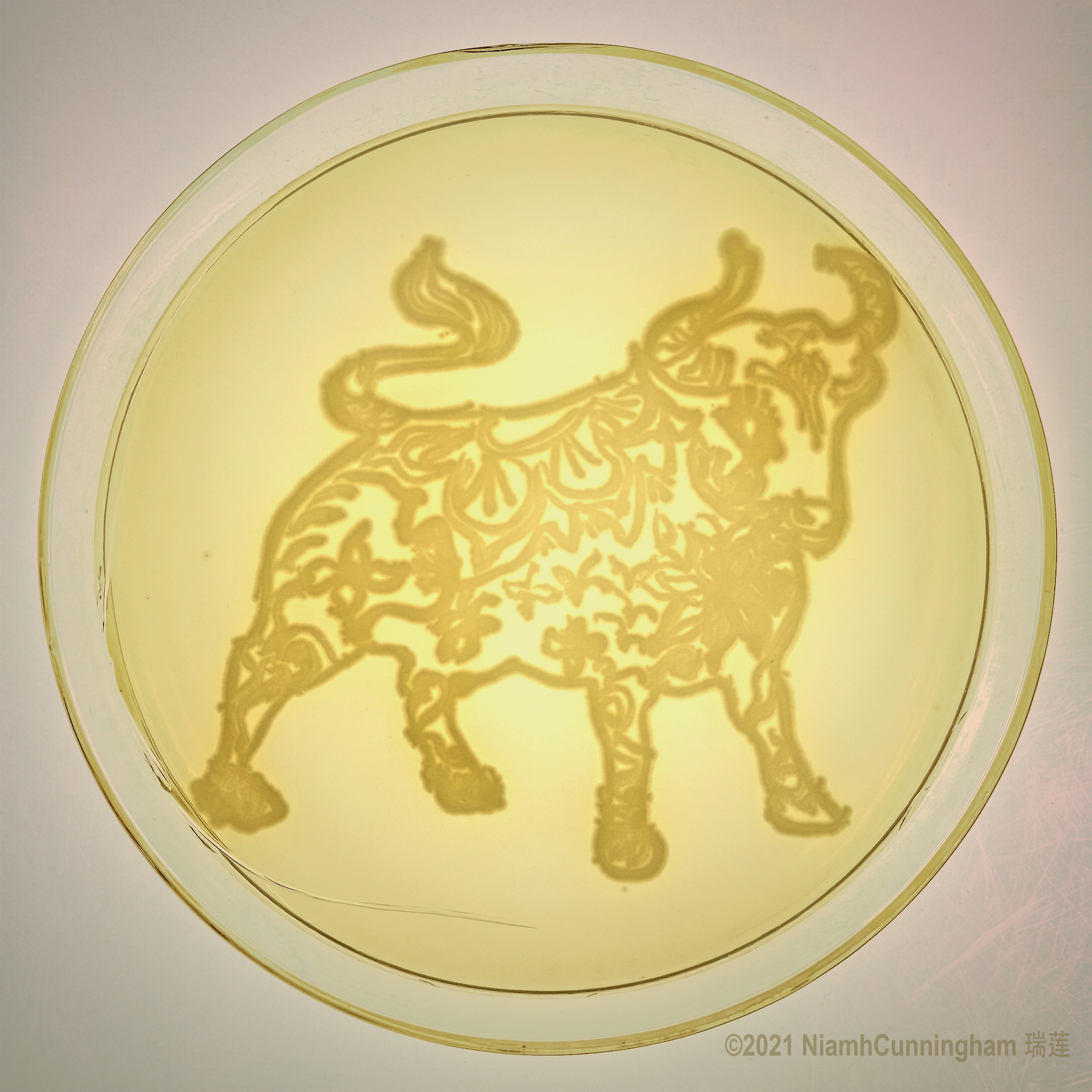
The year of the Vaccinae, CW  on Luria Bertani agar on lightbox, Niamh Cunningham 瑞莲 2021

Vaccinus is a latin adjective meaning ‘from cows’ (the word vacca meaning cow). At the end of the 18th century English physician Edward Jenner injected cowpox material to increase immunity protecting against the more serious small pox. The injection itself was called vaccination.


******************************************


Memory Palace of Trees -the videos……. a call for your tree story


Welcome to the Memory Palace of Trees, a place where you can share your tree story.

It has been a tough year and many of us have remeasured our relationship with nature, both as individuals and as a global society .

Throughout the pandemic I have collected tree stories from people all over the world, including poets , painters , a  forester, a  dendrologist , artists, a children’s writer  and all kinds of other people .

 You can see  last years collection of stories in Memory Palace of Trees 2020 here .

This year the tree stories are in the form of a one minute video.


If you have a tree story to share I would love to add it to the Memory Palace of Trees 2021.  I can add Chinese/English  subtitles to your video.

If your tree story is later selected for future exhibitions or installations I will contact you to let you know.

Take some time to think about what you want to say , find a good tree to sit under and share your story.  Just to let you know under 60 seconds is a very short time!

I can be contacted directly on this platform or on the last page the enquiry page on my website.


Really looking forward to hearing from you .  Please ask if you have any questions about this. 


Memory Palace of Trees is a socio -ecological art practice which invites your participating to tell a story (or give some kind of information) about Trees. It is a social enquiry of how to live better with the planet and with people and other living beings. You are cordially invited to tell me your story of a tree or trees.  I would love to hear from you .


Memory Palace of Trees – an overview


Web of fabulous grass, sucrose series, Niamh Cunningham 2018 

Memory Palace of Trees:

In October 2019  after reading the Pulitzer prize winning book ‘The OverStory’ by Richard Powers I started my plans for the socio-eco art practice ‘The Memory Palace of Trees’. It began in January 2020 at a time when the pandemic was just about to reveal itself as the most urgent global emergency of our lifetime. The pandemic is very much part of our ecological crisis and how we ‘utilize’ the natural world.  Throughout a most turbulent year, people worldwide have reappraised their relationship and dependance on the natural world. Many have turned to nature to claim a space of sanctity and sanity and some people have shared their stories with us in the Memory Palace of Trees.  

Gingko Palace  Sucrose Series 83 x 120 cm print on Aluminium  Niamh Cunningham 2020 (week 15)

Most of these are personal stories.  Submissions came from a range of different people in the US, Europe, Australia and Asia including a children’s writer, poets, dendrologists, artists, a dancer, a forester, an ant forest app user, photographers, academics and more

Ginkgo Palace UV print on Aluminium 80 x 120 cm  Niamh Cunningham  2020 

…..many of these stories inspired the makings of new artworks .


Here is a one minute video clip of the artwork for the November tree story . 

Ladybird of DongXiaokou (6 min 40 secs) video Niamh Cunningham 2020   Dancer: Zhang Yi , Music Credit: Ciorras 


I want to say a huge THANK YOU to ALL contributors and I will be in contact soon to thank each of you properly. Your stories will act as important stations (or installations) in the Memory Palace of Trees and will be a part of larger future artworks


The Second Beech  Niamh Cunningham 倪芙瑞莲2020 (week 17 of the Memory Palace of Trees)

Ice Willow , Sucrose 8.7.2020 Print on Aluminium , Niamh Cunningham -Kosimas Willow Story 


Chestnut – Park Tree Sucrose Series original Sucrose 50 x 50 cm  Niamh Cunningham 2020 (week 12)


What is a memory palace?

This is a map of a physical space with ‘stations’ containing information you want to remember, these stations are arranged in a linear journey . Here is a link to a  blog from last year  : Journey Image and Space the Memory palace workshops.


Open Call for your tree story on video 

Memory Palace of Trees will continue in 2021. This year the submissions will be in video format. If you have a story you can tell in less than a minute (less than 60 seconds), please  find your favorite tree sit under it and video yourself  on your phone telling the story. I can help with the editing and add the English or Chinese subtitles.  Please ensure the sound quality of your recording is clear.  If you are in Beijing I can come and video you if you wish. Please ask if you have any questions about this. 

Looking forward to hearing from you.  Please email me at niamh@niamhcunningham.com


Jinan Tree Song  Sucrose Series, print on aluminium 158 x 120cm  Niamh Cunningham 2020

Art for a sustainable future – exhibition

TreeSong Jinan Sucrose Series (3.7.) Niamh Cunningham 瑞莲2020

I believe the ecological crisis is a crisis of culture and art  (in all its forms) has an essential role in confronting the environmental emergency. It can be cross disciplinary, it can span the divides of science, agriculture, food culture, education , ethical consumerism, economics, film, music and so much more.

This week I was very happy to be part of the  exhibition “Art promotes a Sustainable Future” which coincided with the 13th China Corporate Social Responsibility Report International Symposium at the Taifu Hotel Beijing  2-3 rd December 2020.

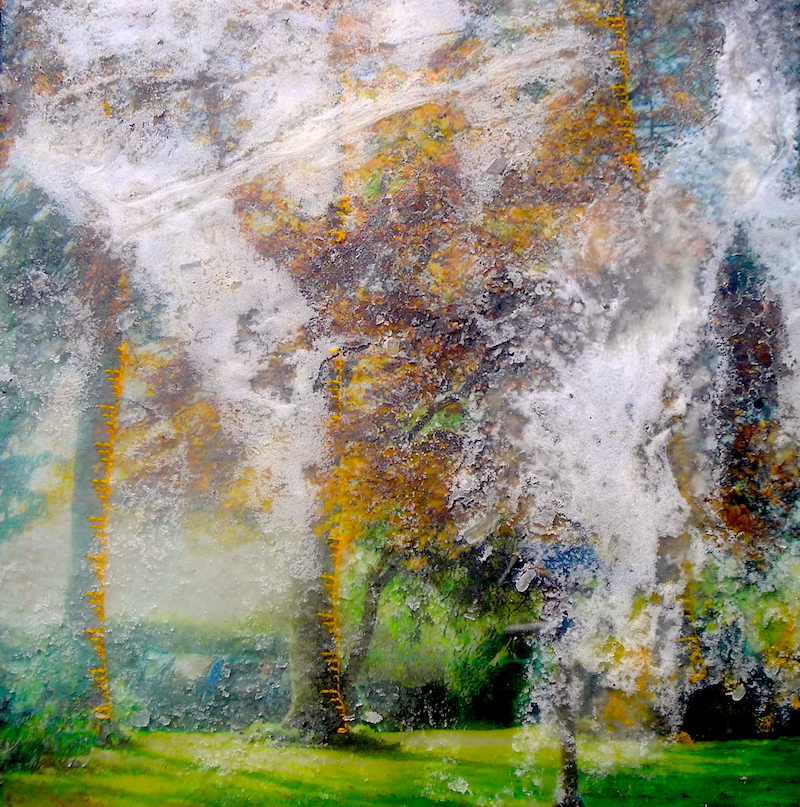
Foggy Dew – Wu Hou Ci (8.6.)Sucrose Series Niamh Cunningham 瑞莲2020

The Sucrose Series began five years ago and explores transformation through crystalisation and drying of water content in the mixed media.  This transformation occurs on two levels. In the early stages ink is lifted from the surface with hot mixed media , particles of ink are  moving and shifting as the process of drying occurs and crystallization takes place. This layer could be the metaphor for our unique current era of the ecological emergency, being the first generation to witness climate change and the last generation to be capable of taking meaningful action.  The outer layer is a crust of opaque crenulation of crystal obliterating the original image.

Purls in the Undercut sucrose (4.6.) Niamh Cunningham 瑞莲 2020


Participating Artists include:
Jing Yumin 景育民

WangXiaokie 王小杰

Zhang Meng 张锰

Zheng Jing 郑靖

Liu Yue 刘悦

Niko de la Faye 尼可。德拉法耶

Eine Lem 艾娜。莱姆

CROW

ZhangFan张帆

HeShan何杉

Lv Zhiqiang  吕智强

Mica Kuehn 米卡。库恩

Niamh Cunningham 倪芙瑞莲


With CEO Zhuang at the CSR Symposium 


A big thank you to Mr Zhuang Creative CEO of Goldenbee  organiser for the symposium and  exhibition and also to Shiyan Wang of GoldenBee and artist Liu Yue  .

13th China Corporate Social Responsibility Report International Symposium
Art for a Sustainable Future


Resilience Thinking – building a safe living space for humanity


TreeSong Jinan,  sucrose Series,  (3.7.3.b) Niamh Cunningham 瑞连 2020

Resilience is the capacity to be able to deal with change, to live with change, to make use of change , not just incremental change but also sudden shocks and crises and develop the ability to turn those crises into opportunities.

When we acknowledge we are in the driving seat of change and defining the conditions for world development, this profoundly shifts our potential in terms of our social well being , development and economic growth. And so we are able to look at the Anthropocene directly in the eye and deal with it in a more manageable way.

Having completed the Planetary Boundaries on line course presented by the SDG academy (all of the lecturers are from the Resilience Centre in Stockholm.) I wanted to mull over some of the things I have been thinking about.

The nine boundaries begin with the three main large scale processes : climate change, stratospheric ozone depletion and ocean acidification. Slow variables are biodiversity loss, interference with nitrogen and phosphorous cycles, changes in land use and fresh water use. The last two are heavily human induced chemical pollution and aerosol loading.


I discovered more about positive and negative feedbacks , regime changes , tipping points and to a more limited extent the interactions between boundaries.The main presenter Johan Rockström raises the chilling concept of the Quadruple Squeeze . These include Affluence and Population, the second is Climate Change crisis , the third is the Loss of our Ecosystems ability to buffer the changes (such as carbon buffers in seas) and the fourth is Surprise leading to tipping points where there is an ‘abrupt knock out’ after a period of resilience.


There is no doubt that we are facing the largest and fastest transformation in the history of humanity . We are the first generation to witness the changes directly and the last generation to have the capacity to exert meaningful change to these biospherical processes. 


Even though delivery of the talks are brief and persuasive it makes it easier to absorb the weight of the content.  One of the lecturers Gary Peterson whom I view as an eco philosopher spoke on resilience thinking. He explained the use of optimisation can only be used when the variables are known and when things are under control.

Resilience Thinking , Niamh Cunningham 2020


In order to act collectively there needs to be shared ability and shared trust. We need social, technical and institutional ways to enable new understandings which cope with uncertainty and the evolution of new things. Ways in supporting the Biosphere underpins our wealth and our wellbeing

However simply increasing resilience is not the issue, we also need to consider where resilience is harmful. Understanding circumstances when  increasing resilience in one thing can decrease resilience in something else. We need to understand what creates , destroys and trades off these things and also not focus simply on increasing resilience but what kind of resilience do we want to increase. For example the fossil fuel economy is amazingly resilient, we need to reflect how can we undermine the resilience of these things? 


*************

The course can be taken free of charge on EdX  platform

https://www.edx.org/