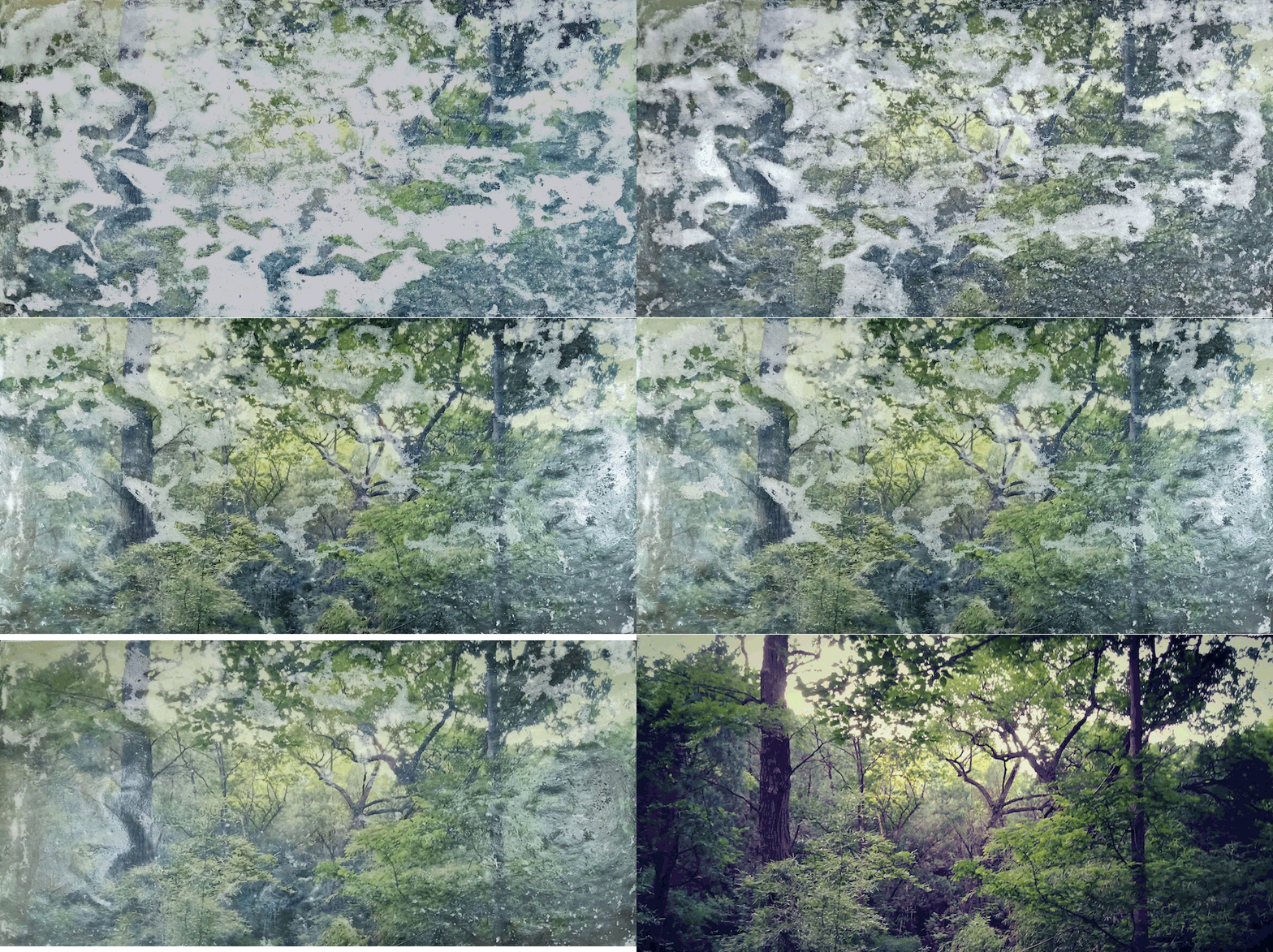


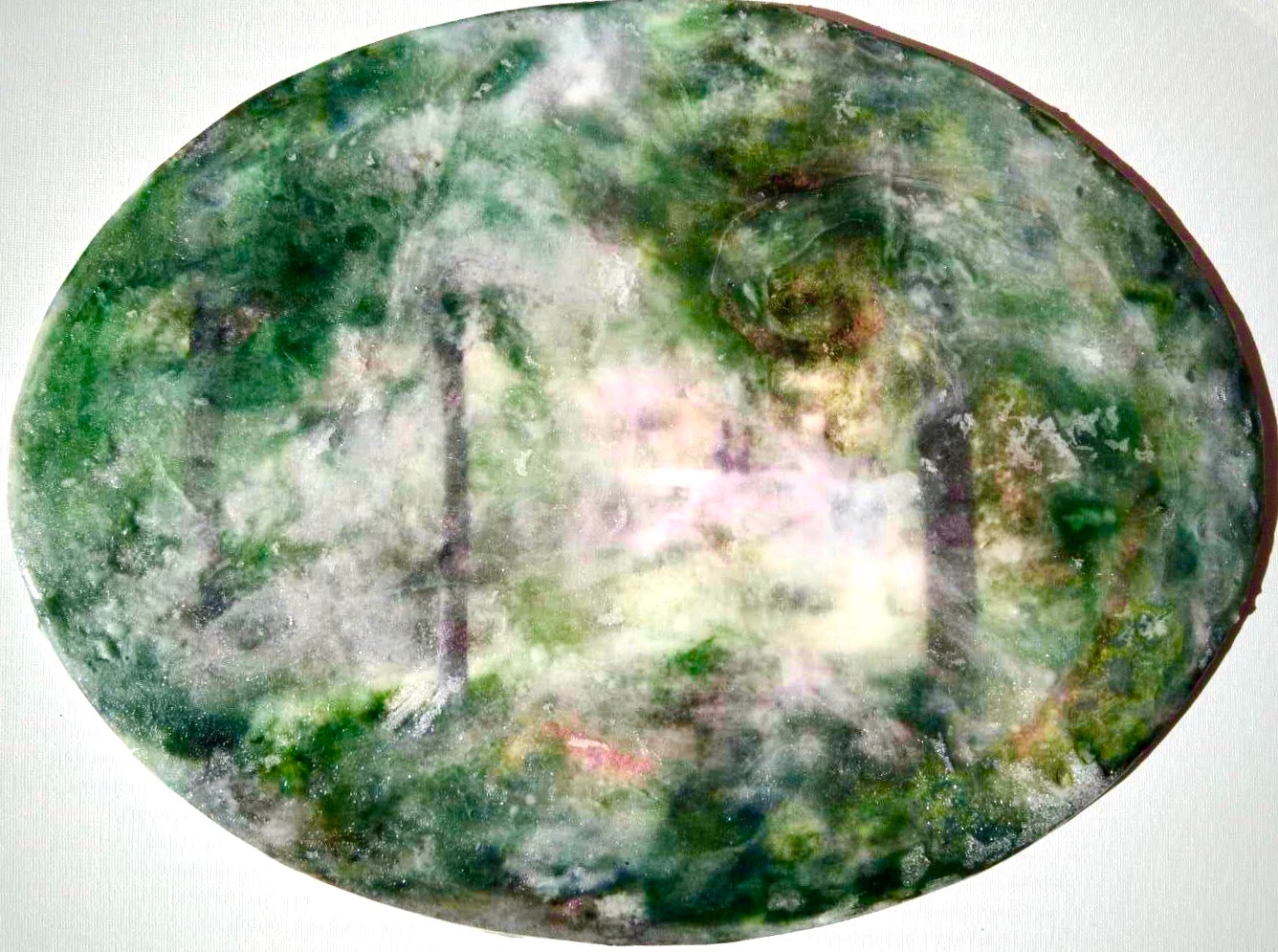
 Web of fabulous grass, sucrose series, Niamh Cunningham 2018
Memory Palace of Trees:
In October 2019 after reading the Pulitzer prize winning book ‘The OverStory’ by Richard Powers I started my plans for the socio-eco art practice ‘The Memory Palace of Trees’. It began in January 2020 at a time when the pandemic was just about to reveal itself as the most urgent global emergency of our lifetime. The pandemic is very much part of our ecological crisis and how we ‘utilize’ the natural world. Throughout a most turbulent year, people worldwide have reappraised their relationship and dependance on the natural world. Many have turned to nature to claim a space of sanctity and sanity and some people have shared their stories with us in the Memory Palace of Trees.
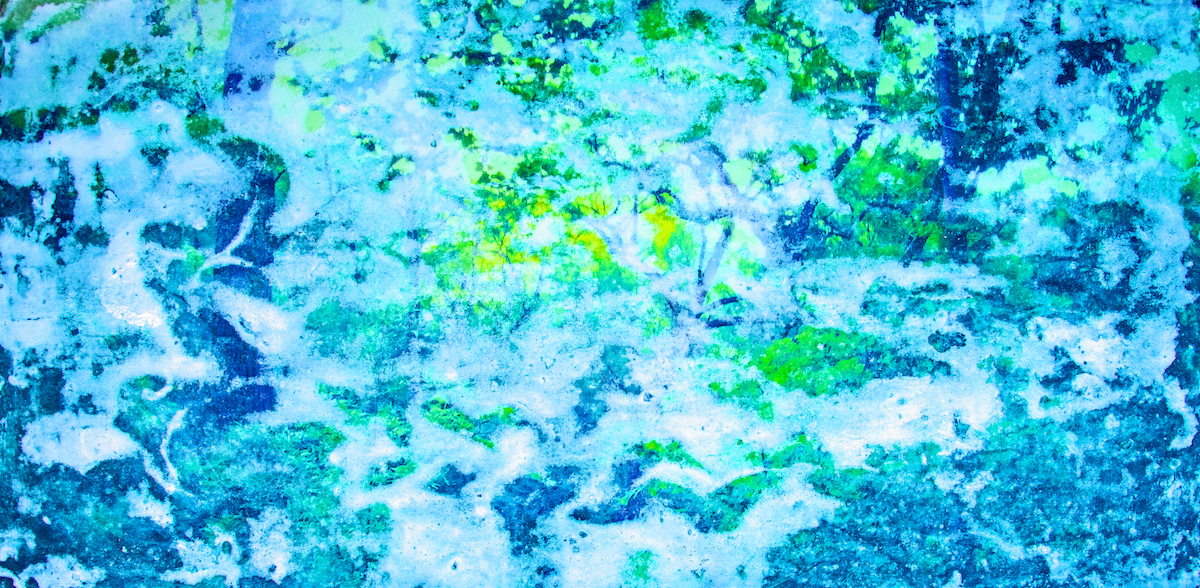
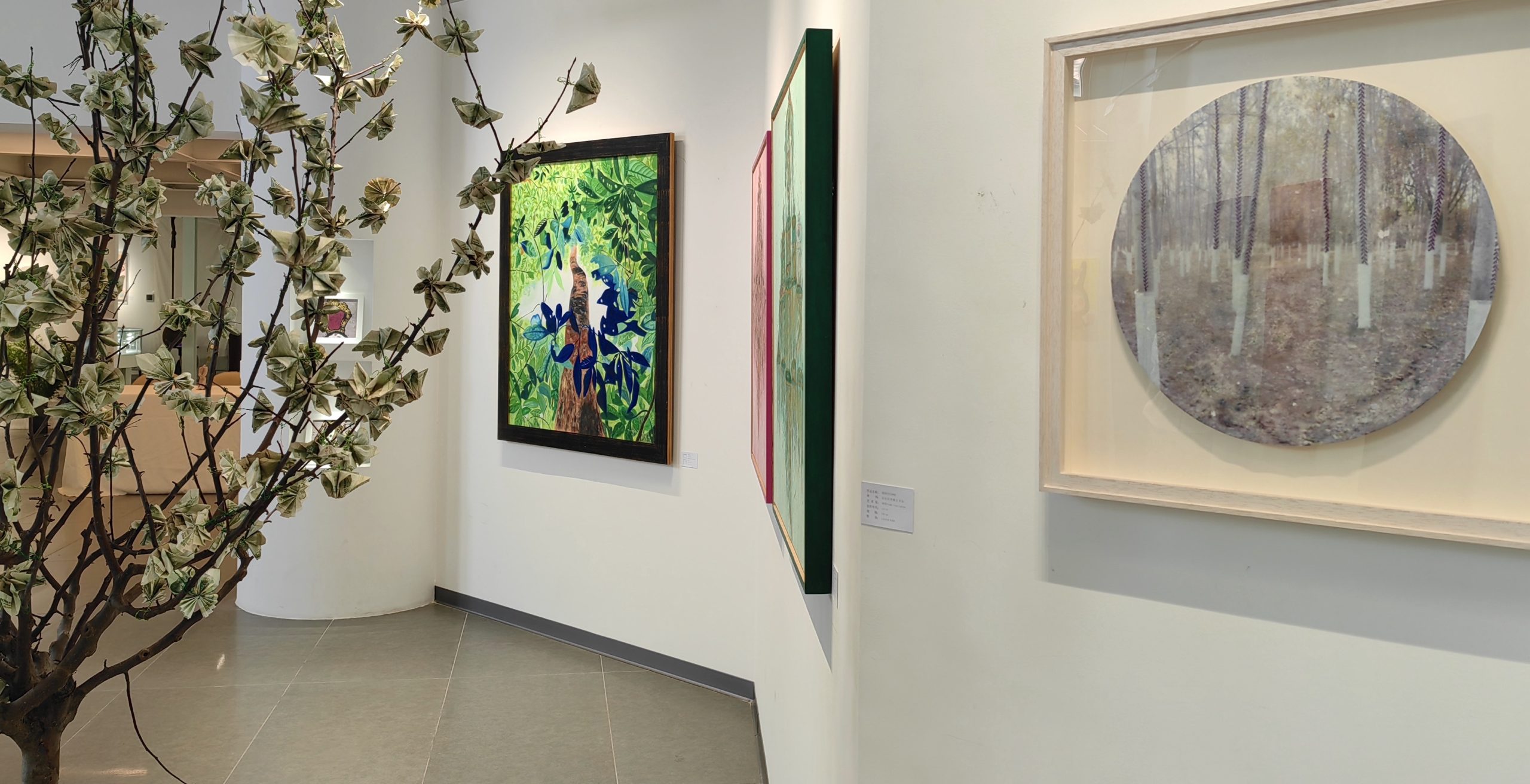
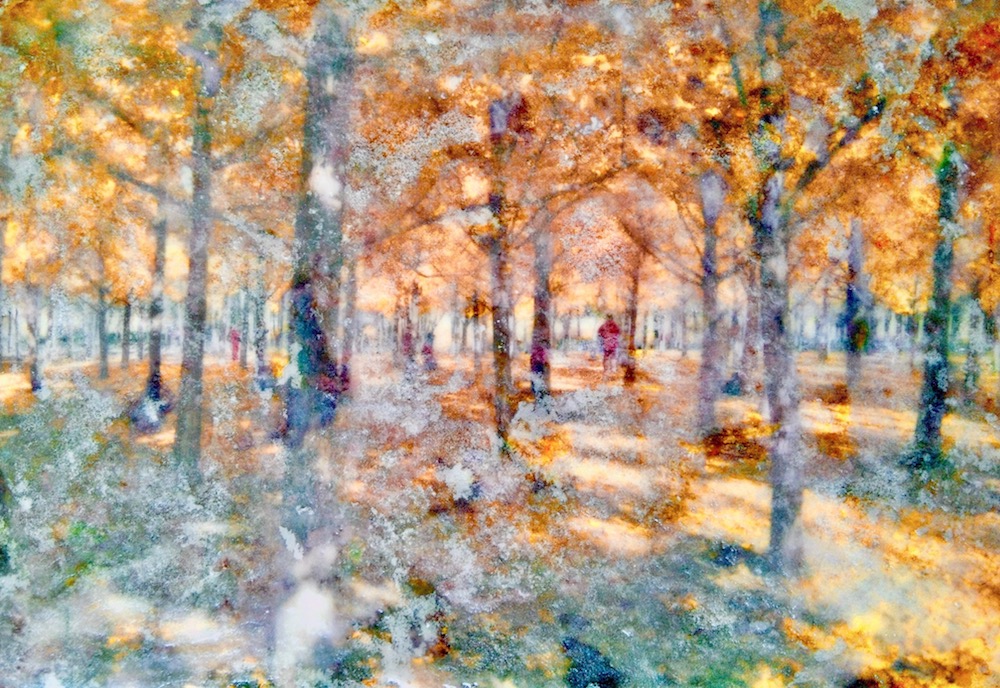 Gingko Palace Sucrose Series 83 x 120 cm print on Aluminium Niamh Cunningham 2020 (week 15)
Most of these are personal stories. Submissions came from a range of different people in the US, Europe, Australia and Asia including a children’s writer, poets, dendrologists, artists, a dancer, a forester, an ant forest app user, photographers, academics and more
Ginkgo Palace UV print on Aluminium 80 x 120 cm Niamh Cunningham 2020
…..many of these stories inspired the makings of new artworks .
Here is a one minute video clip of the artwork for the November tree story .
Ladybird of DongXiaokou (6 min 40 secs) video Niamh Cunningham 2020 Dancer: Zhang Yi , Music Credit: Ciorras
I want to say a huge THANK YOU to ALL contributors and I will be in contact soon to thank each of you properly. Your stories will act as important stations (or installations) in the Memory Palace of Trees and will be a part of larger future artworks
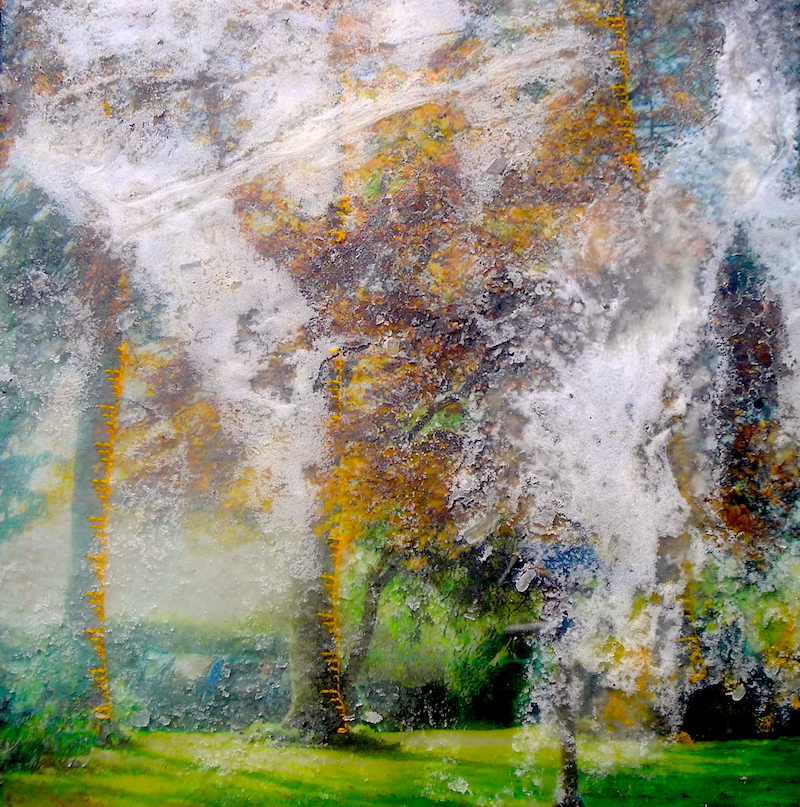
The Second Beech Niamh Cunningham 倪芙瑞莲2020 (week 17 of the Memory Palace of Trees)
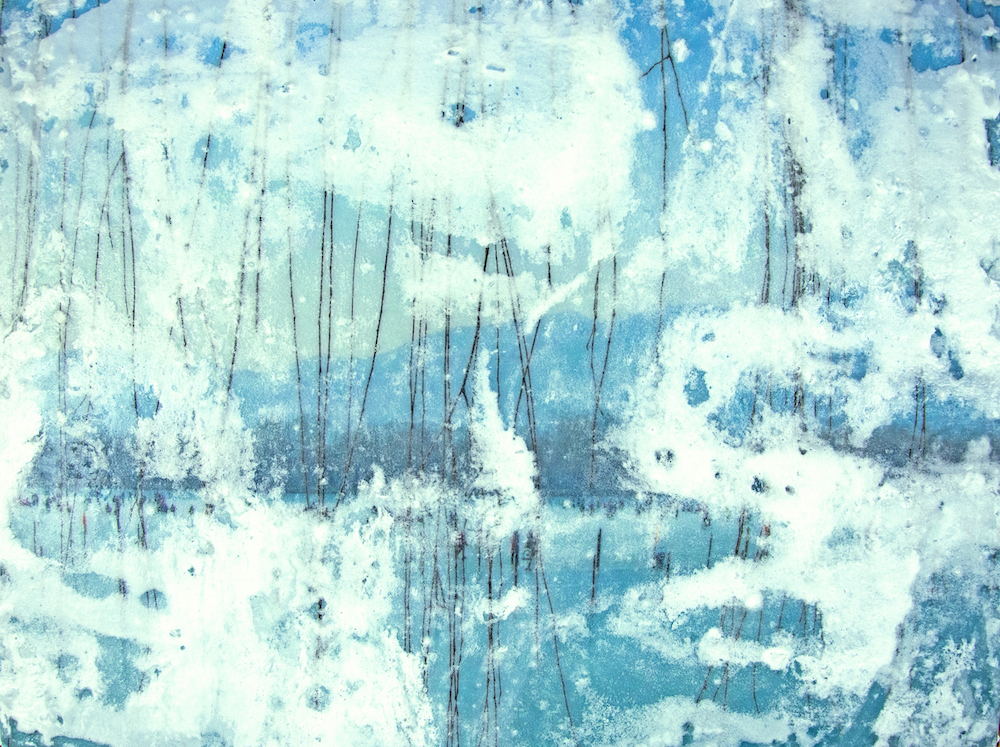
Ice Willow , Sucrose 8.7.2020 Print on Aluminium , Niamh Cunningham -Kosimas Willow Story
- WEEK 2: WHY TREES WHISPER
- WEEK 3: THE KING HAS DONKEY’S EARS
- WEEK 4: WHY DO TRAFFIC POLICE LIKE TREES?
- WEEK 5: THE HEADACHE TREE
- WEEK 6: ON THE STROLL TO WORK
- WEEK 7: THE ANCIENT GINKGO TO WUHAN NO 5 HOSPITAL
- WEEK 8: THE TREE IN YOUR BACKYARD
- WEEK 9: OF TREES AND ME
- WEEK 10: FROZEN FRUIT
- WEEK 11: OF BAMBOO AND BIRDS
- WEEK 12: PARK TREE
- WEEK 13: TREES CAN COMMUNICATE
- WEEK 14: ELVES OF THE PLATEAU AND CORRIDOR FORESTS
- WEEK 15: ROOTS OF RECOVERY
- WEEK 16: SWAN GOOSE FOREST
- WEEK 17: THE BEECH TREE AND THE ACCIDENTAL ACADEMIC
- WEEK 18: GINKGO SOLITARY AND UNIQUE
- WEEK 19: THE TREE THAT OWNS ITSELF
- WEEK 20: BLUED TREES SYMPHONY
- WEEK 21: LIGUSTRUM LEAVES
- JUNE 2020: TREE CLIMBER
- JULY 2020: EMOJI TREES
- AUGUST 2020: THE HAWTHORNE TREE
- SEPTEMBER 2020: KOSIMA’S CORKSCREW WILLOW
- OCTOBER 2020: KAMPONG COCONUTS
- NOVEMBER 2020: DANCES WITH TREES
- DECEMBER 2020: ANT FOREST -PUSHING BACK THE DESERT

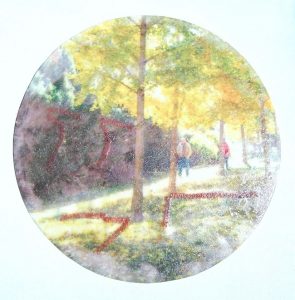
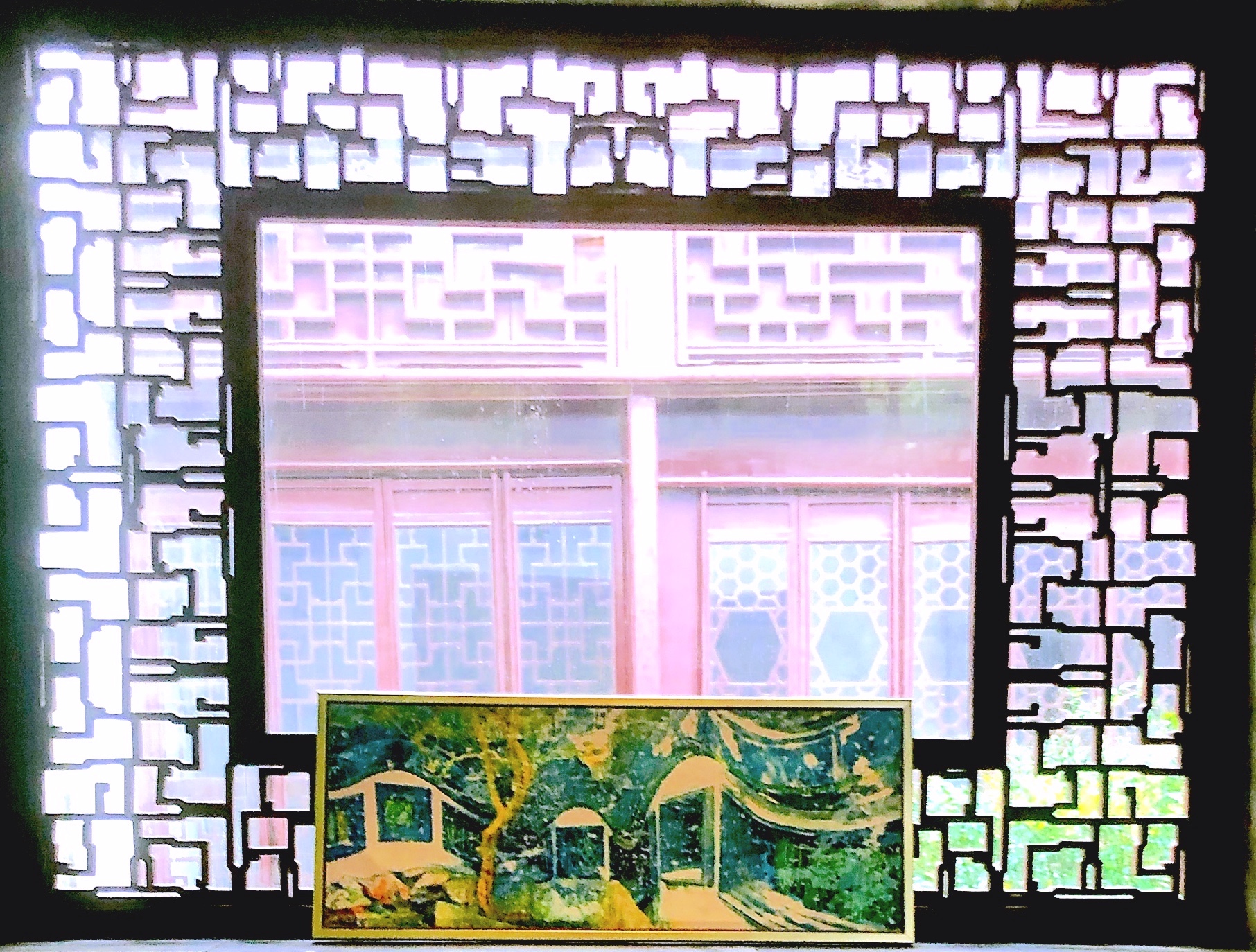
Chestnut – Park Tree Sucrose Series original Sucrose 50 x 50 cm Niamh Cunningham 2020 (week 12)
What is a memory palace?
This is a map of a physical space with ‘stations’ containing information you want to remember, these stations are arranged in a linear journey . Here is a link to a blog from last year : Journey Image and Space the Memory palace workshops.
Open Call for your tree story on video
Memory Palace of Trees will continue in 2021. This year the submissions will be in video format. If you have a story you can tell in less than a minute (less than 60 seconds), please find your favorite tree sit under it and video yourself on your phone telling the story. I can help with the editing and add the English or Chinese subtitles. Please ensure the sound quality of your recording is clear. If you are in Beijing I can come and video you if you wish. Please ask if you have any questions about this.
Looking forward to hearing from you. Please email me at niamh@niamhcunningham.com